

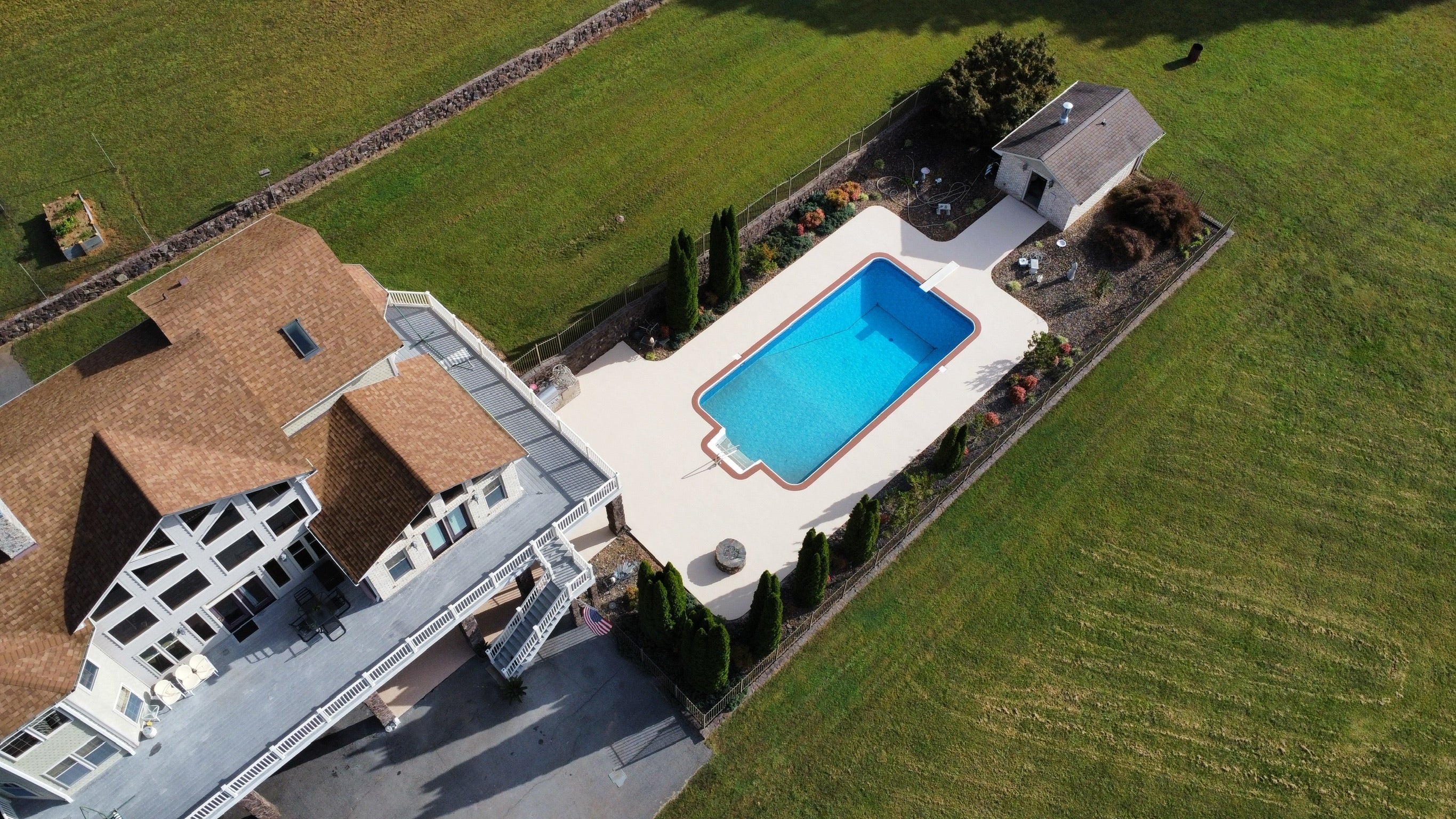
Why Rubber for Residential Pools?
Safer When Wet
Textured, slip-resistant finish that helps reduce slips and falls around the pool.
Cooler Surface
Runs noticeably cooler than bare concrete in the sun—much friendlier to bare feet.
Soft-Cushioned Feel
Gently resilient surface that’s easy on feet and joints, and quietly absorbs footsteps.

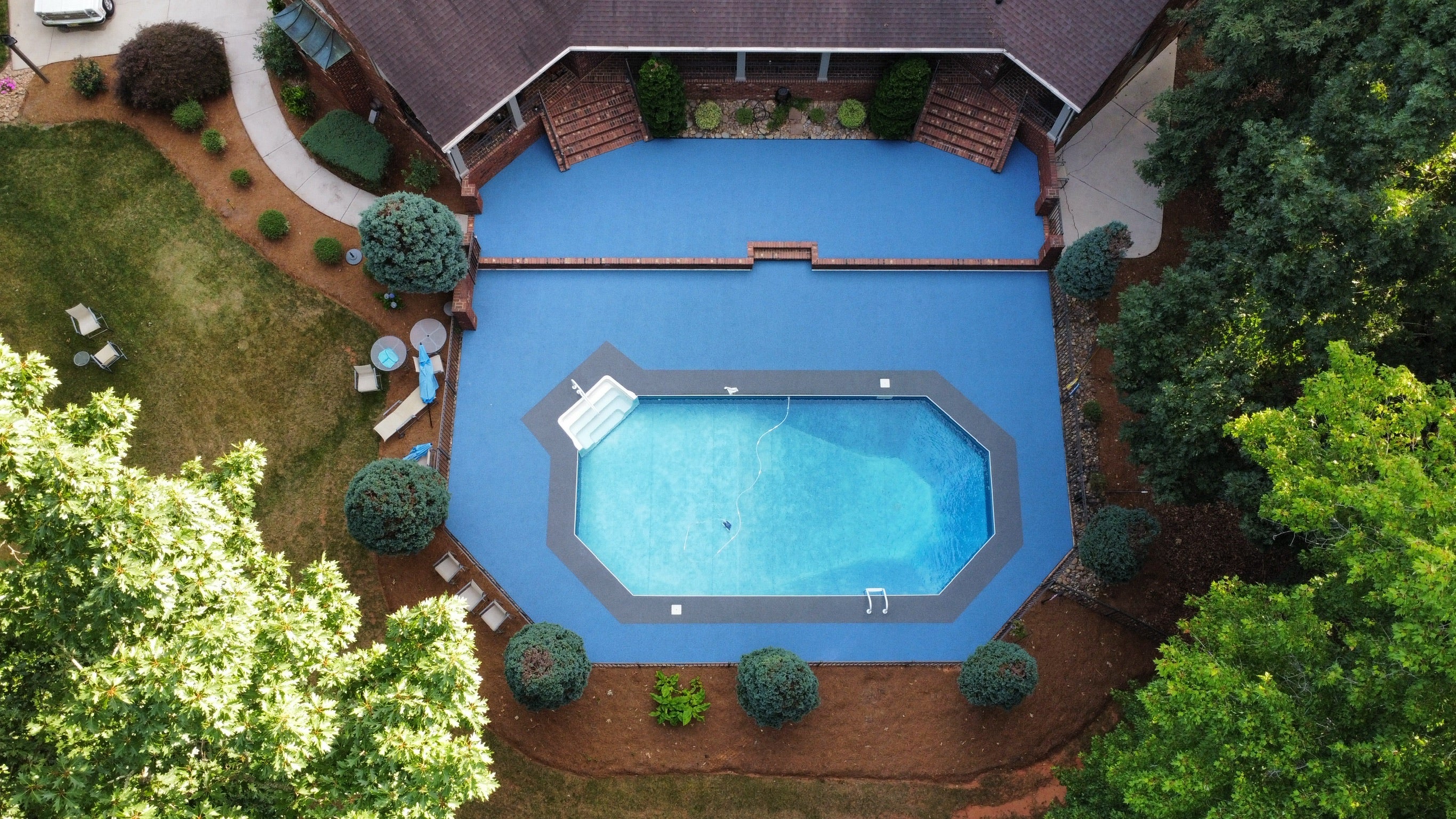
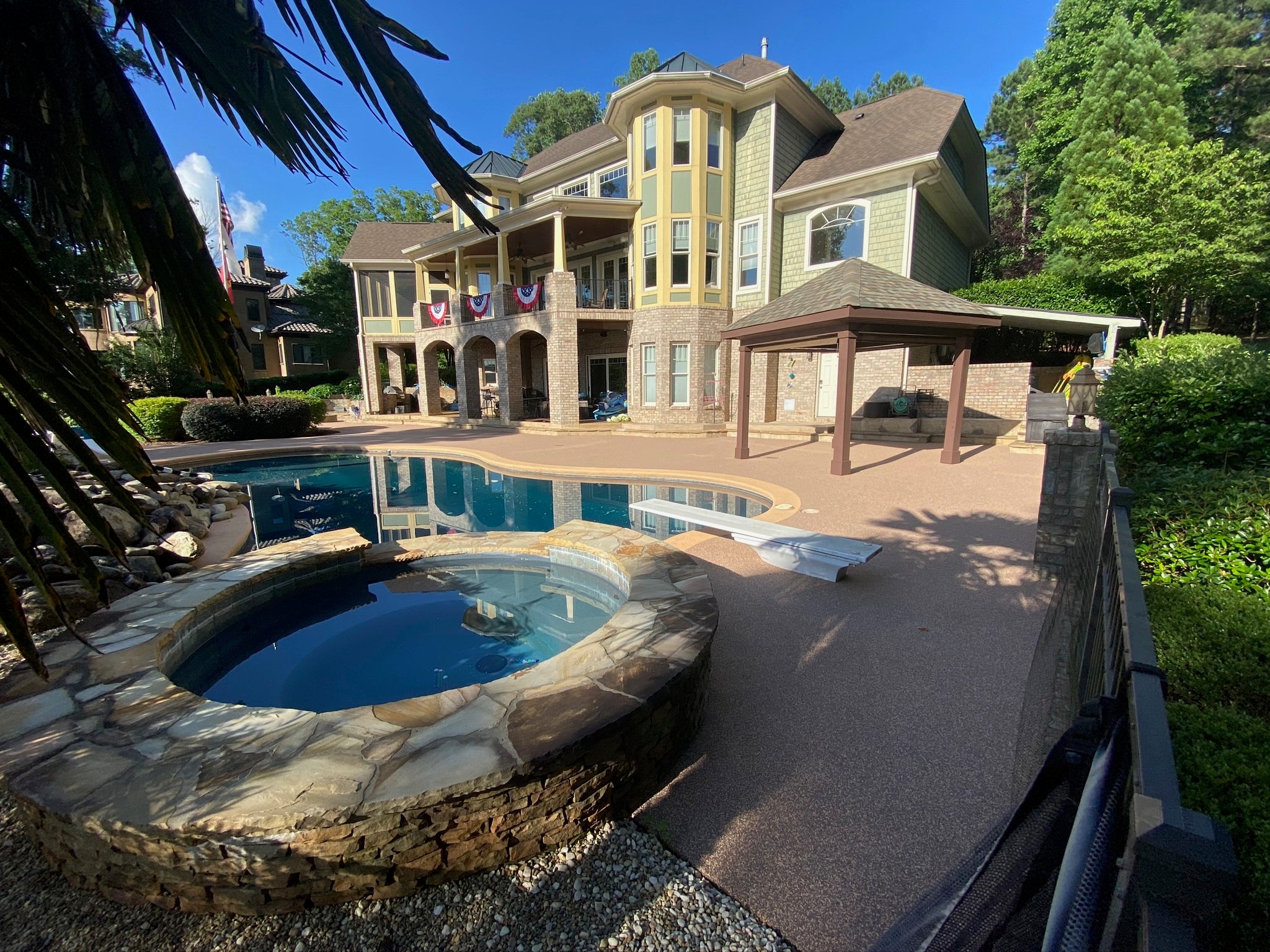
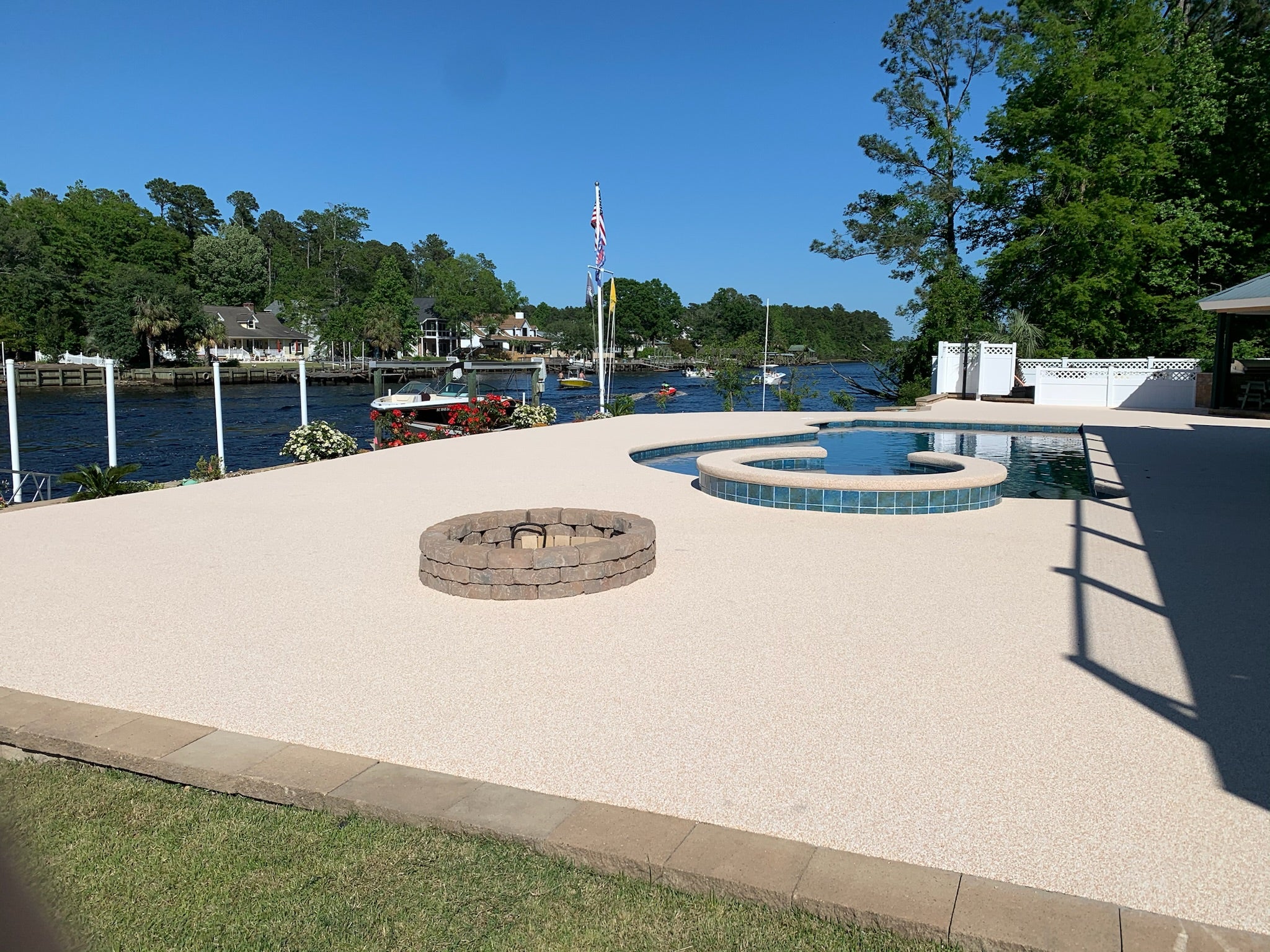
Before & After
Before
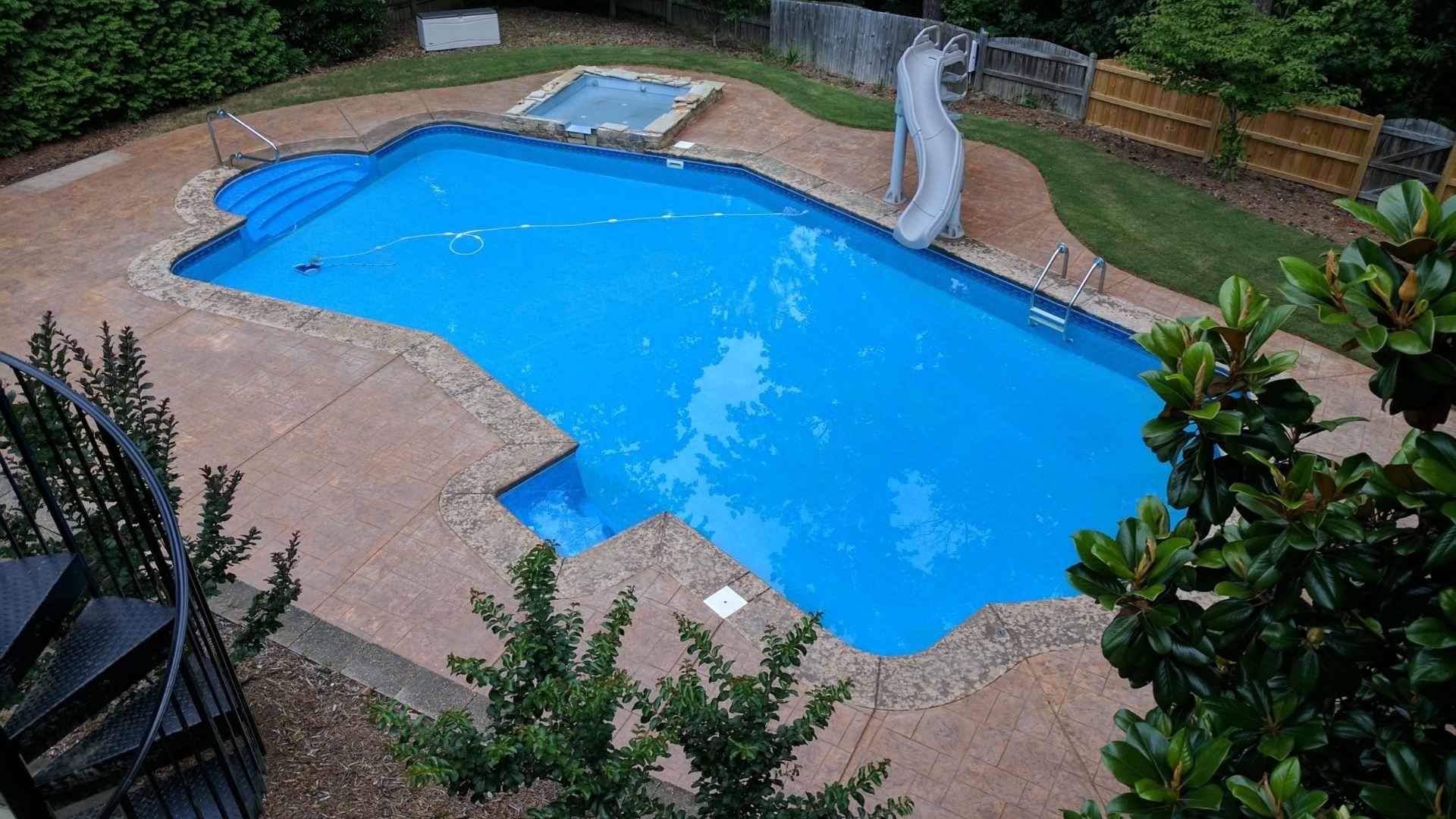
When we first walked the deck, the concrete was sun-hot and tired—fine cracks near the slide, chalky dust on the steps. Families did the side-shuffle at noon, and everyone got the same reminder: careful, it’s slick when it splashes.
After
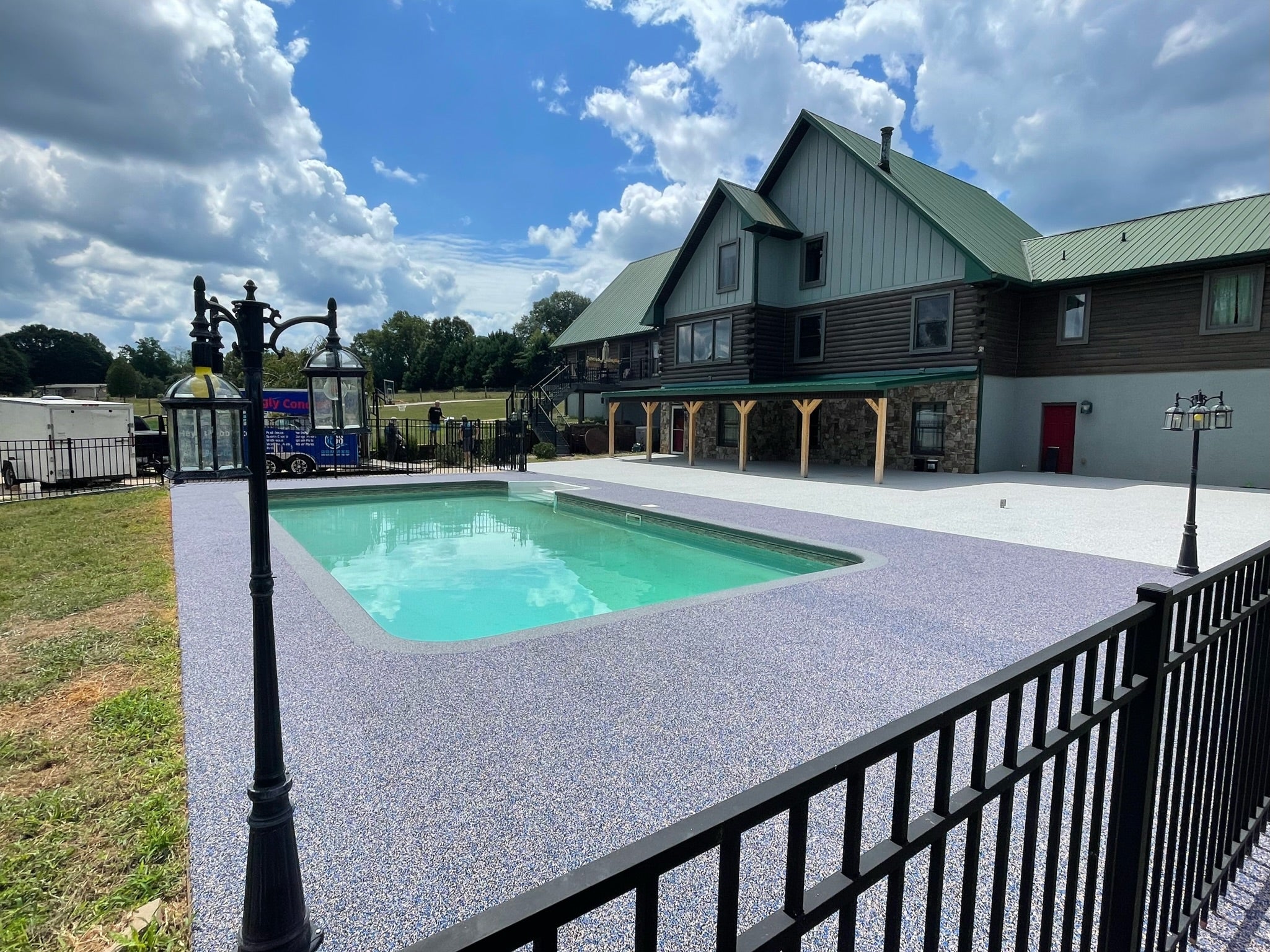
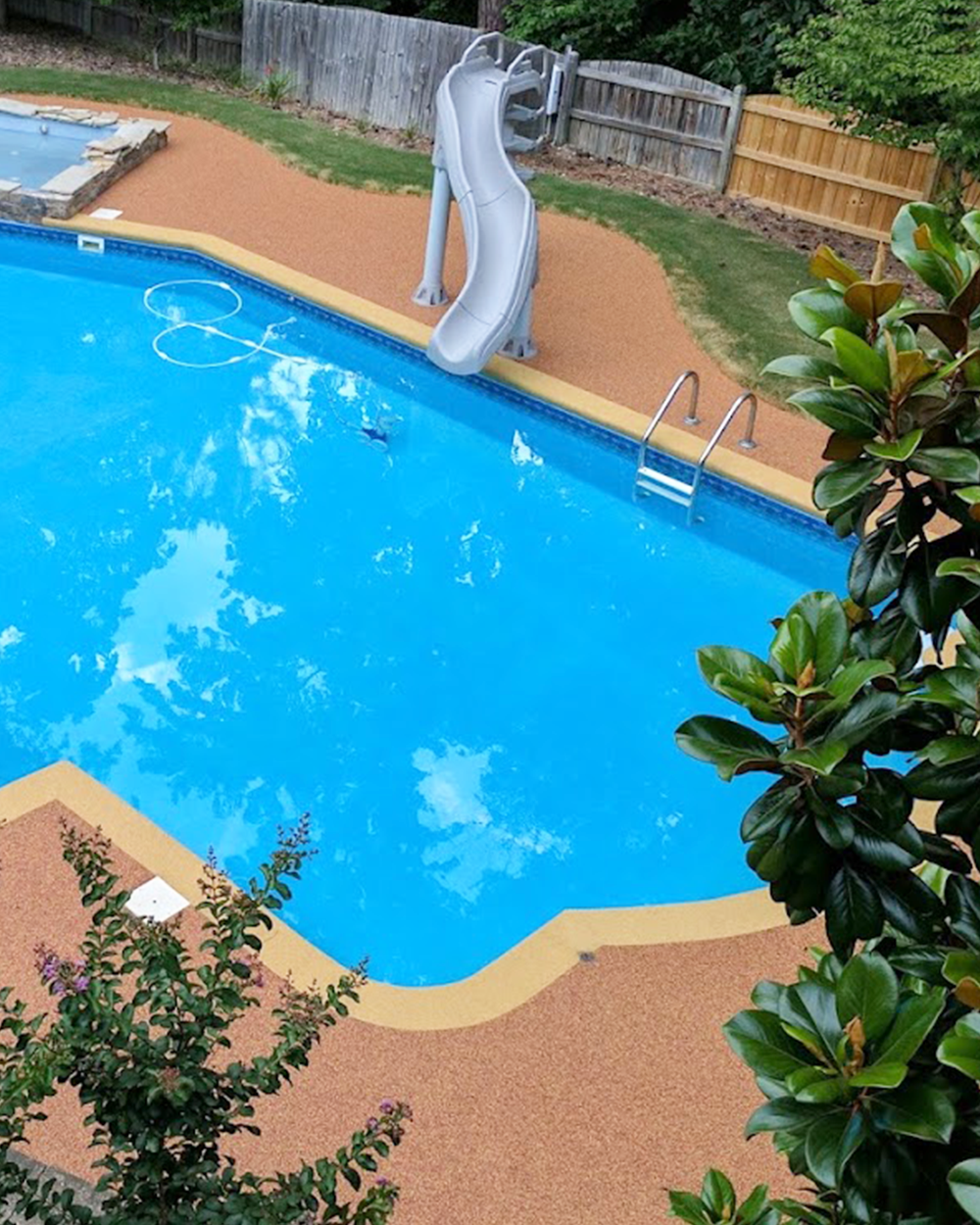
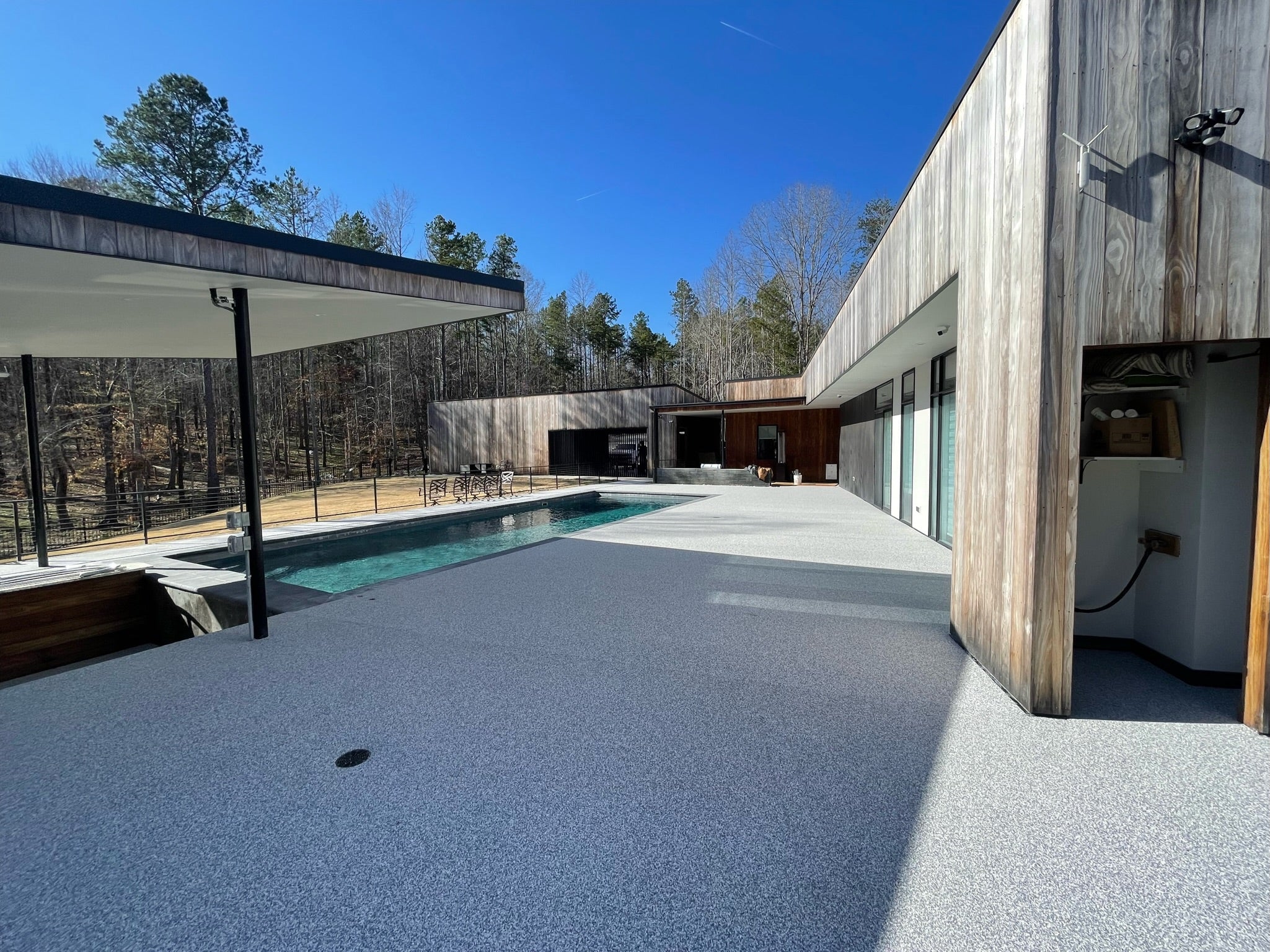
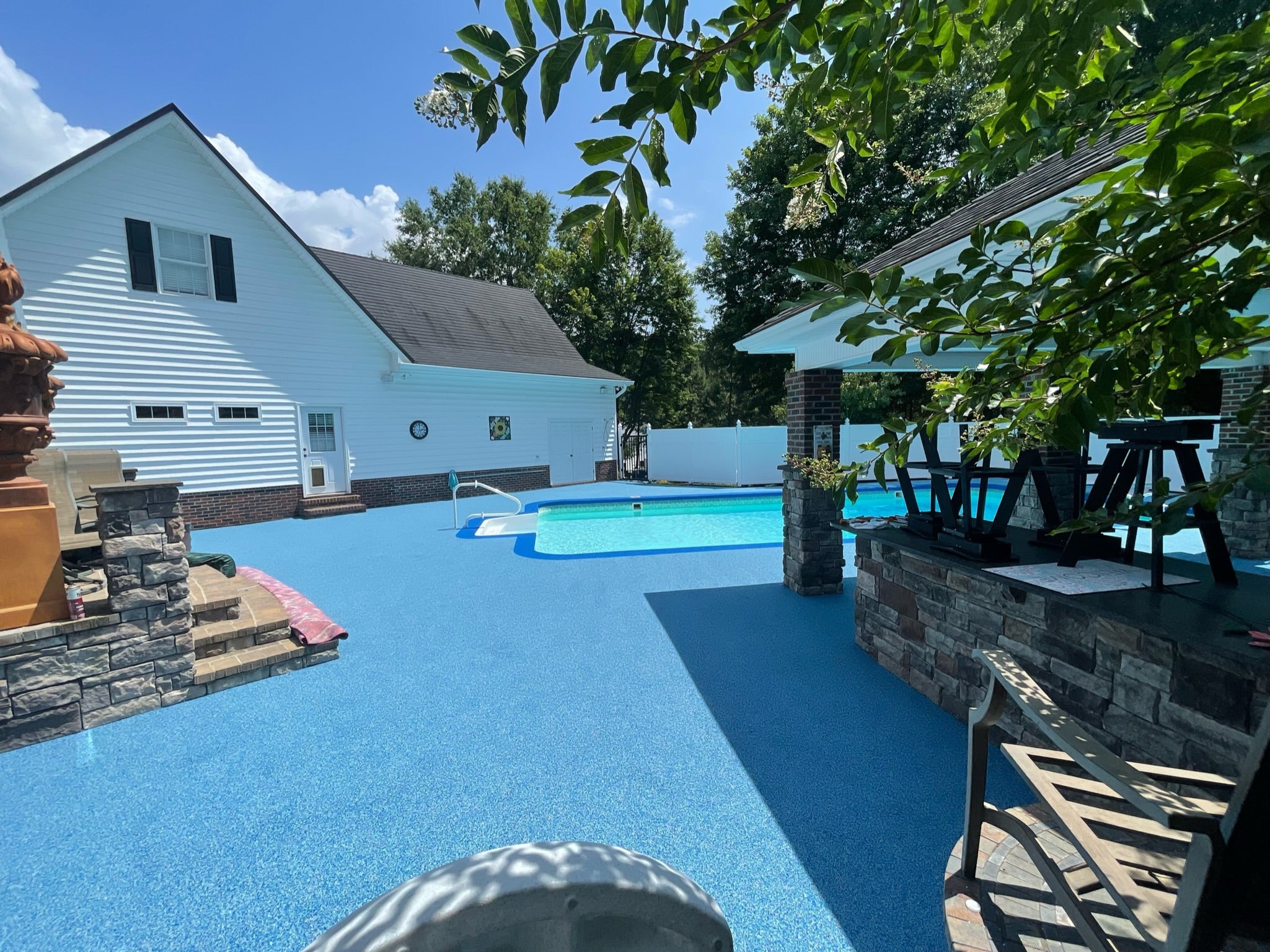
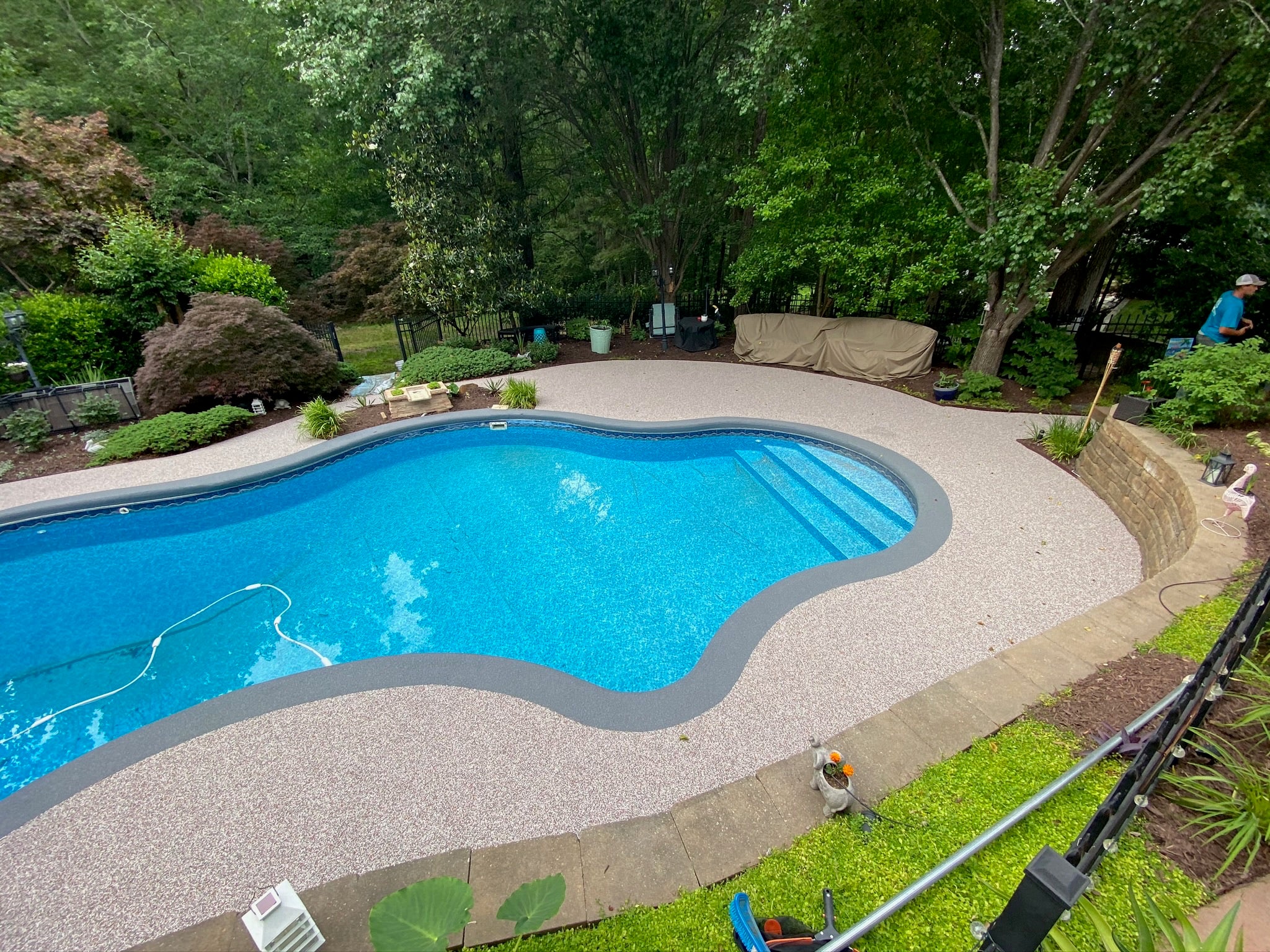
After we finished, bare feet came out without hesitation. The surface felt quiet and slightly soft, with a clean border tracing the waterline. Footprints beaded and faded, and cleanup became a quick hose-off before dinner.
How It’s Installed
1. Clean & Prep – Wash, degrease, and open the surface as needed.
2. Minor Repairs – Address hairline cracks/voids and firm up edges.
3. Prime – Apply an adhesion promoter matched to the substrate.
4. Hand-Trowel Rubber System – Even, low-profile texture set for wet areas.
5. Detail Work – Borders, steps, drains, skimmers, rail posts, and transitions.
6. Cure & Walkthrough – Final check, care guidance, and re-opening timeline.
Typical residential projects are completed in one to two days (weather and size dependent).
Make it your own
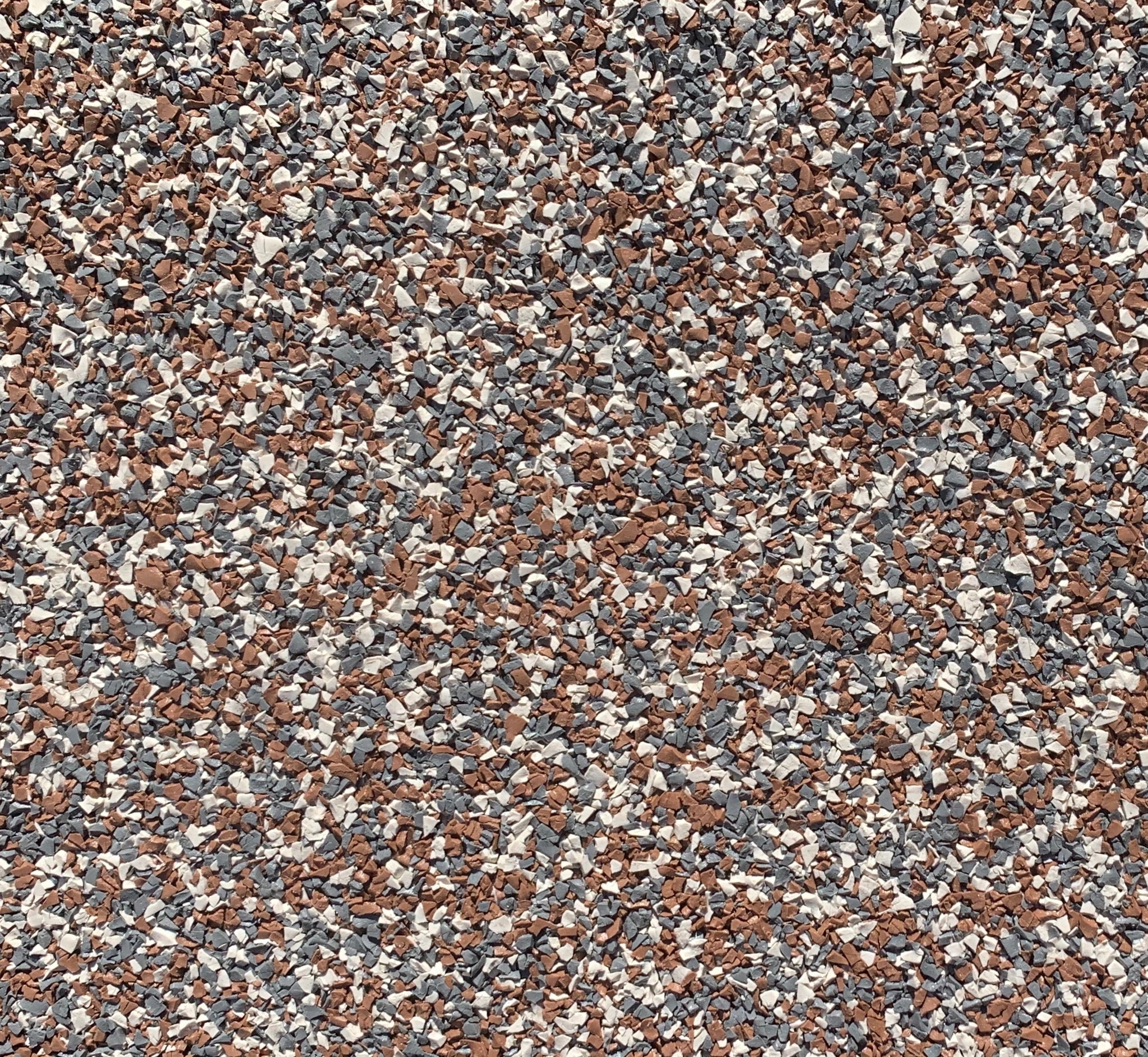
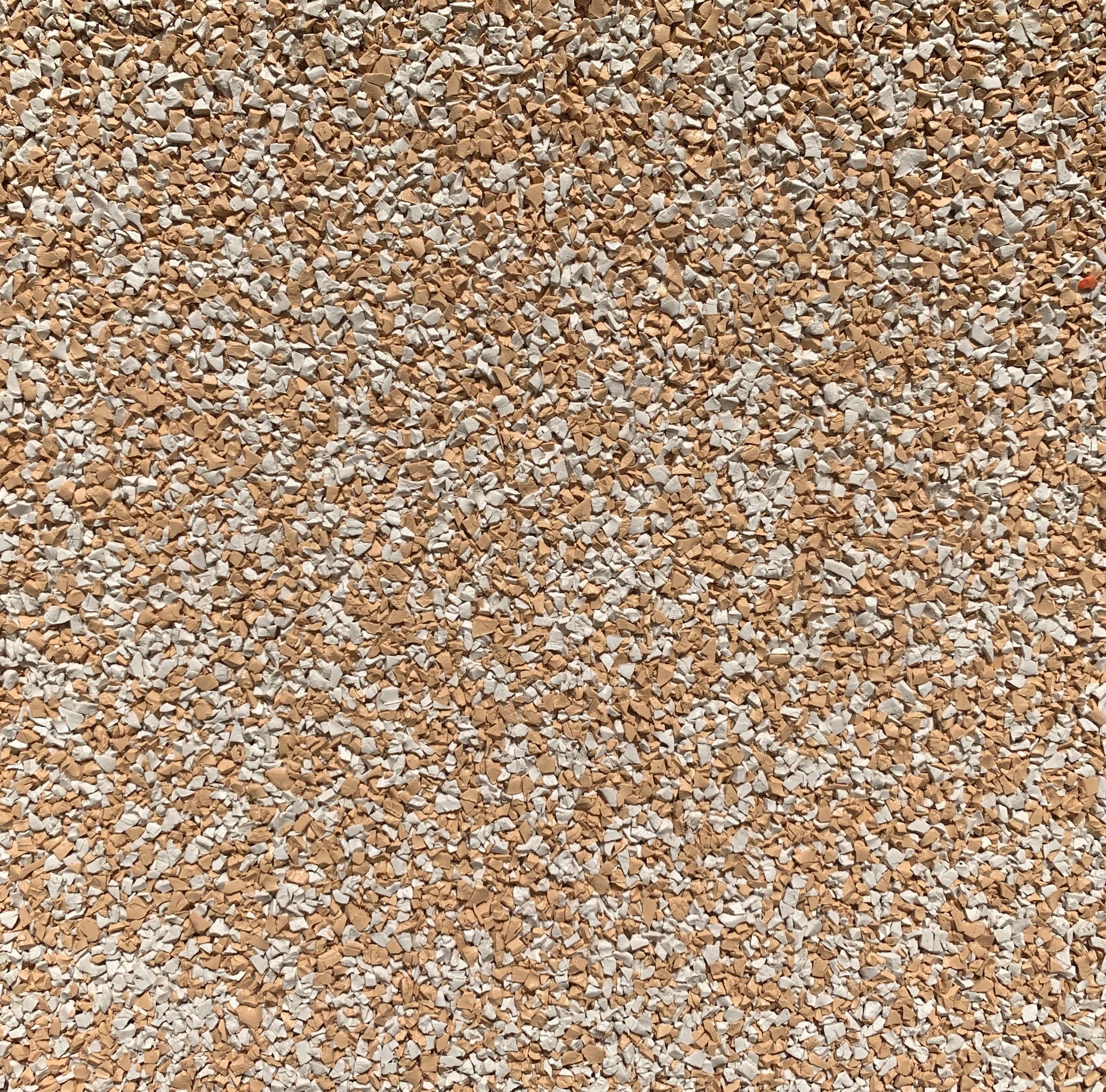
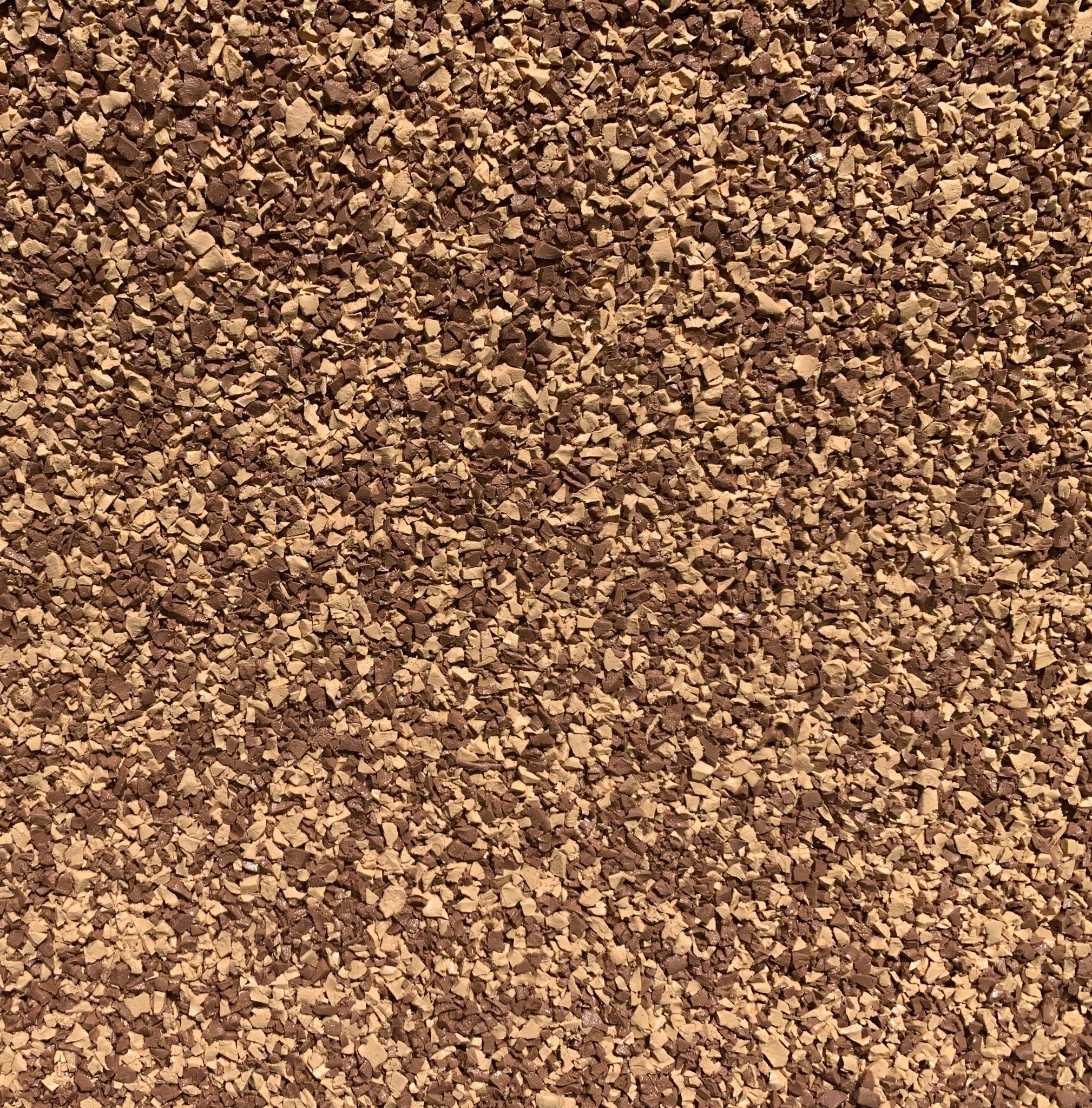
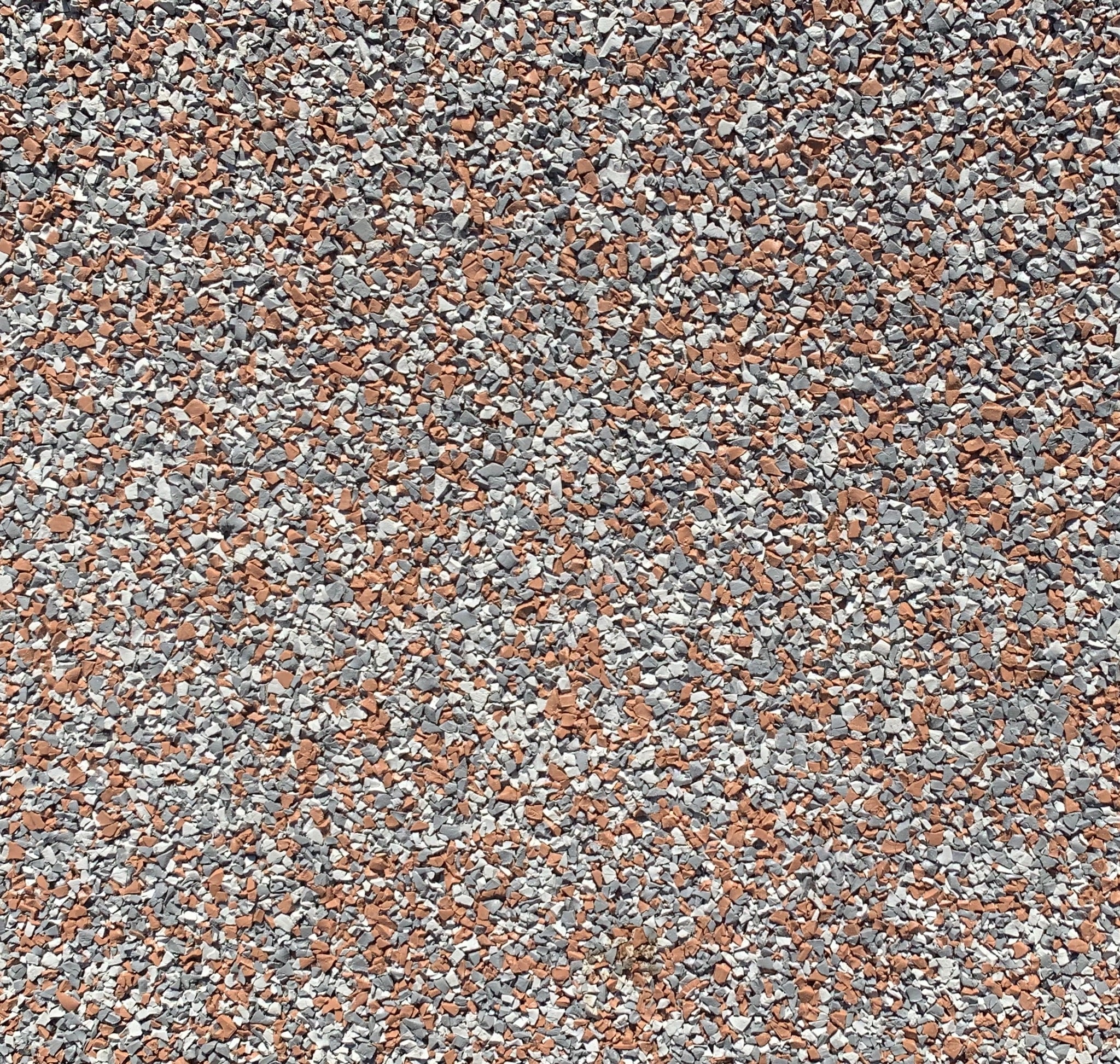
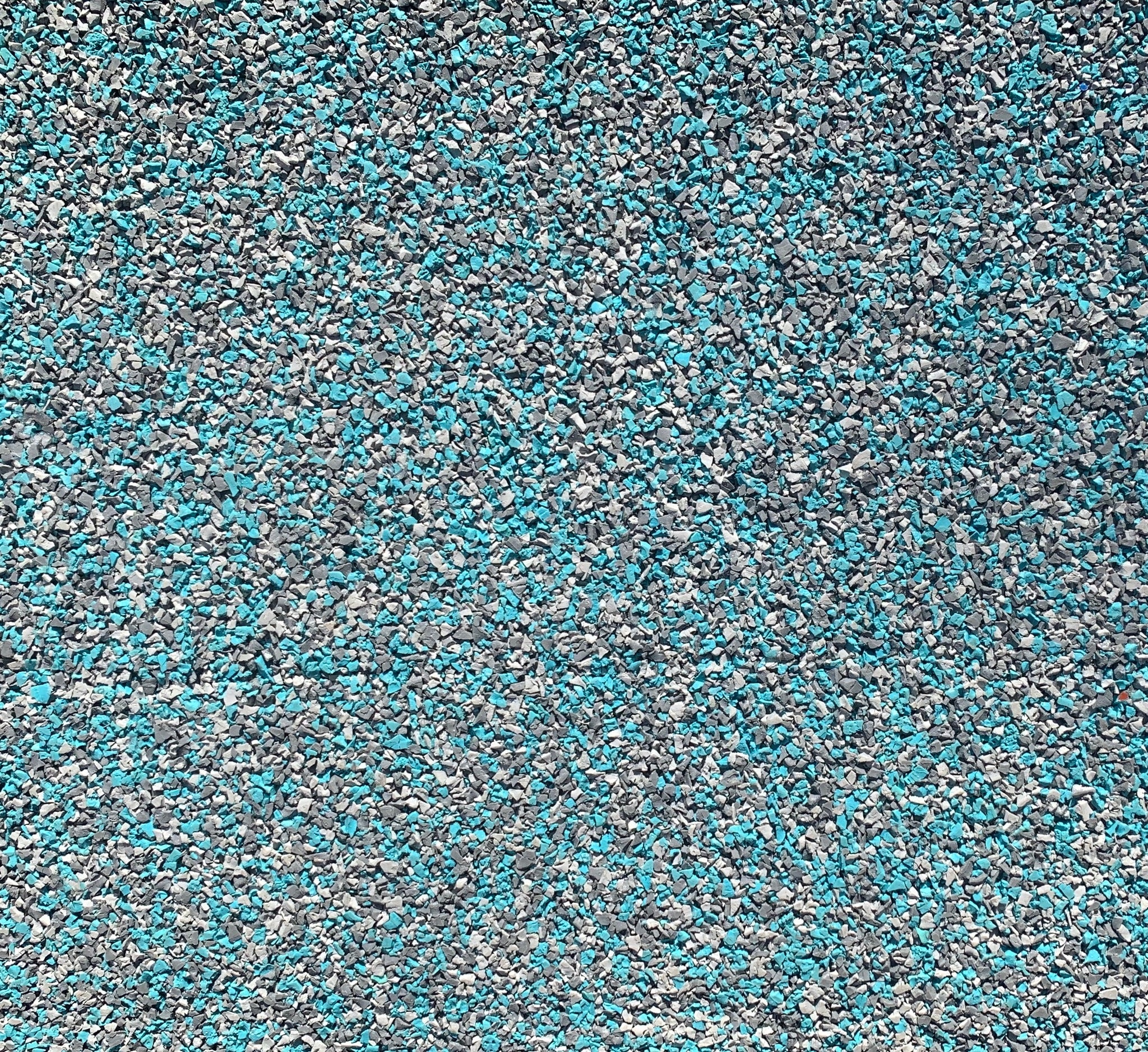
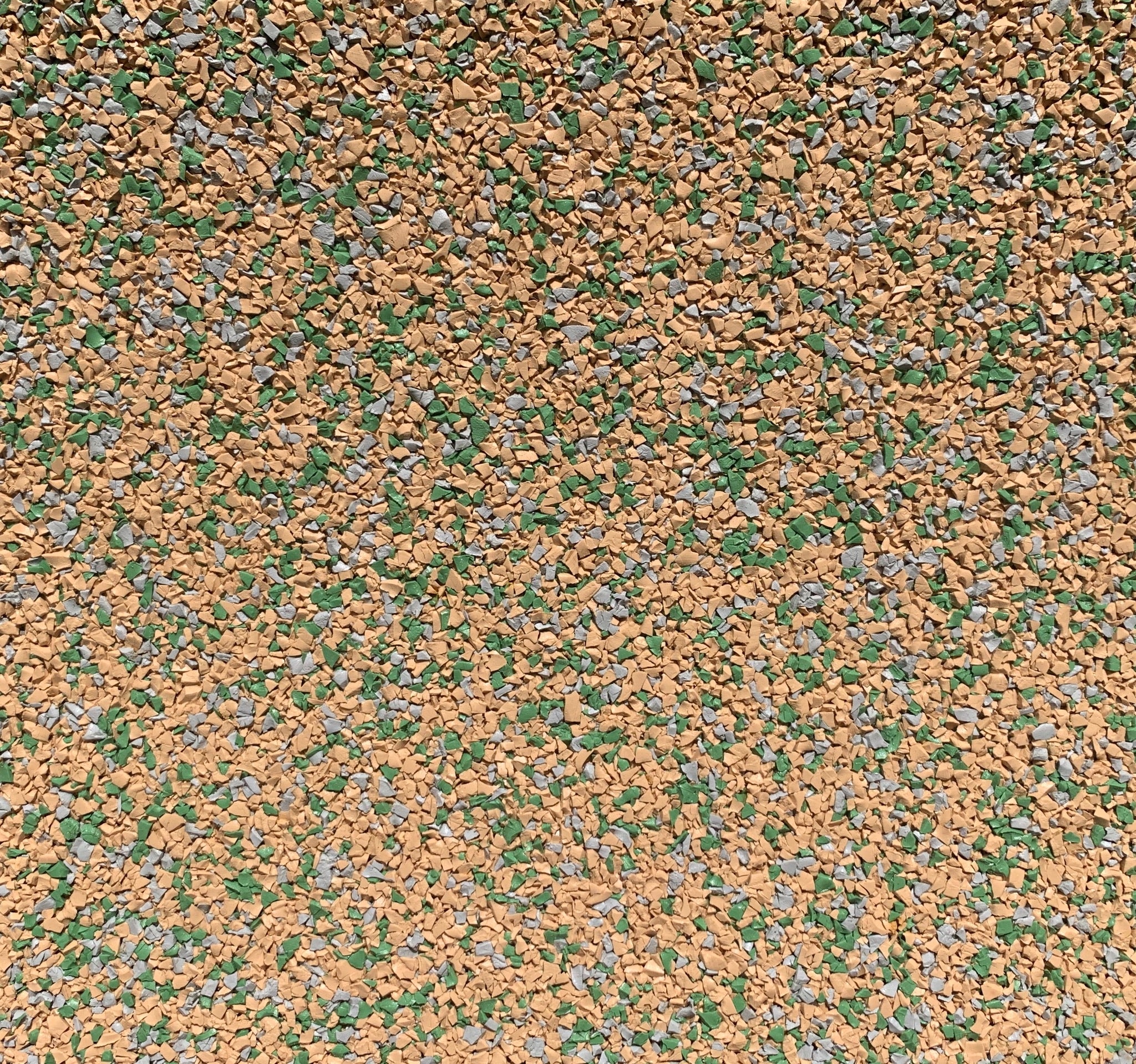
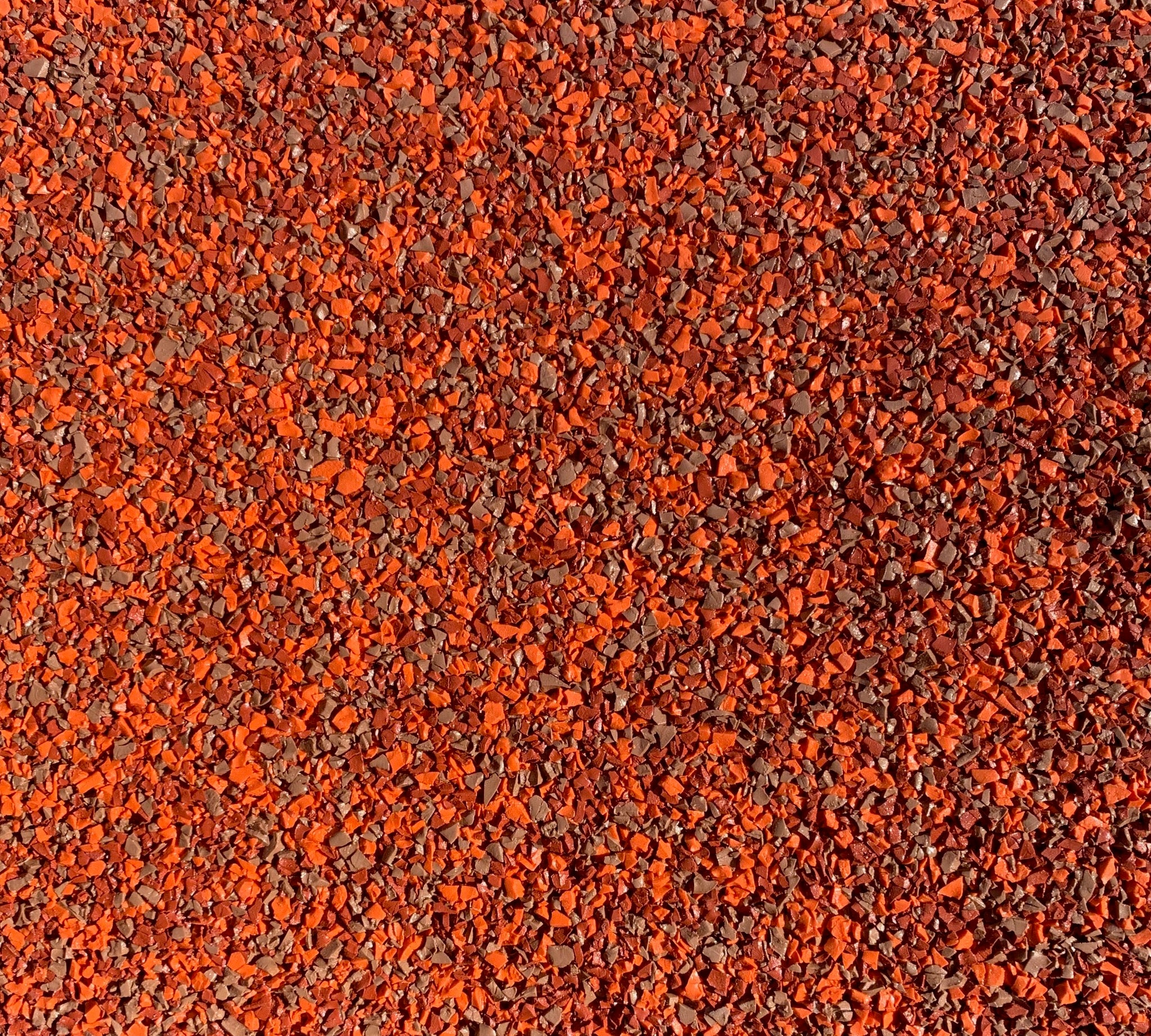
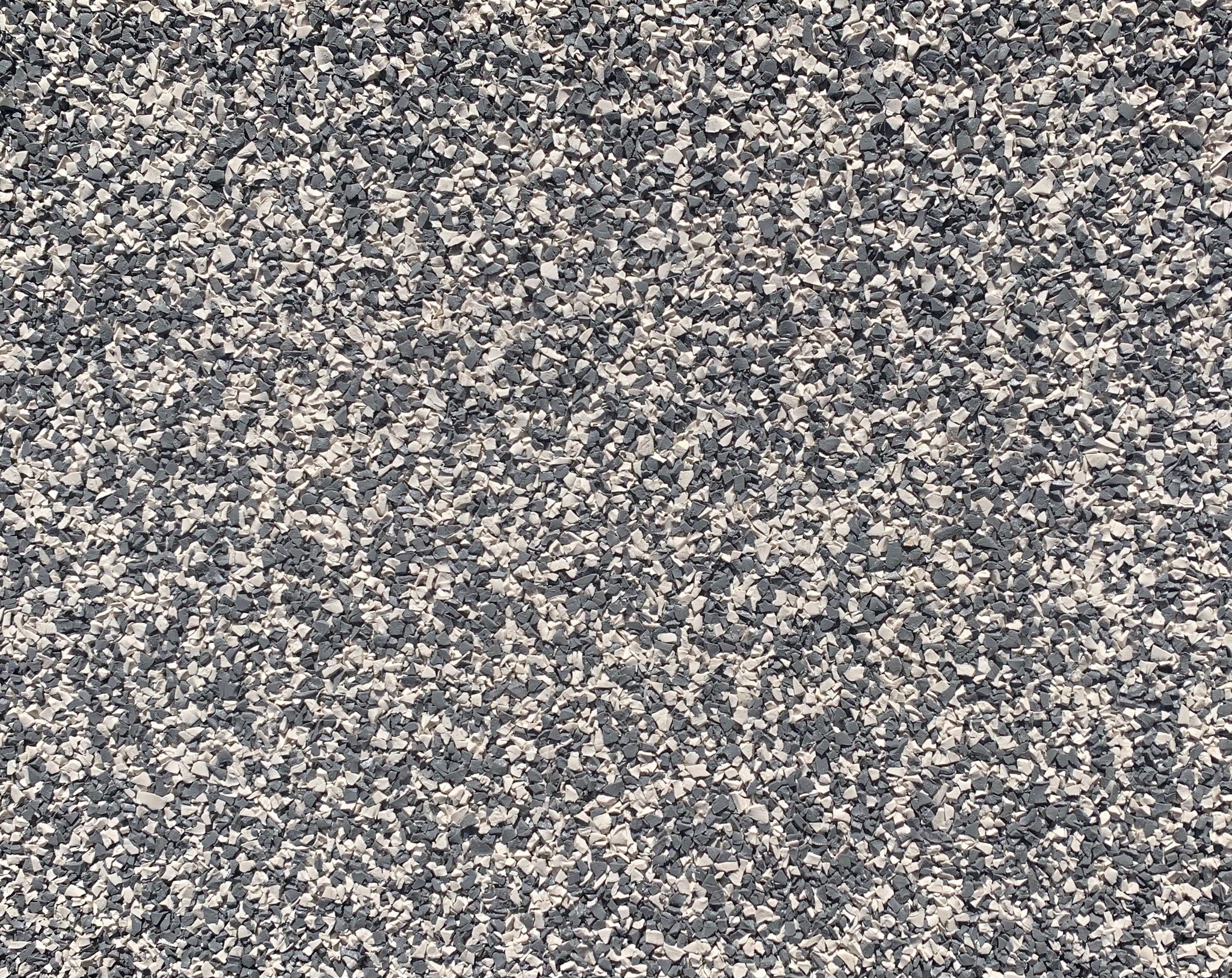
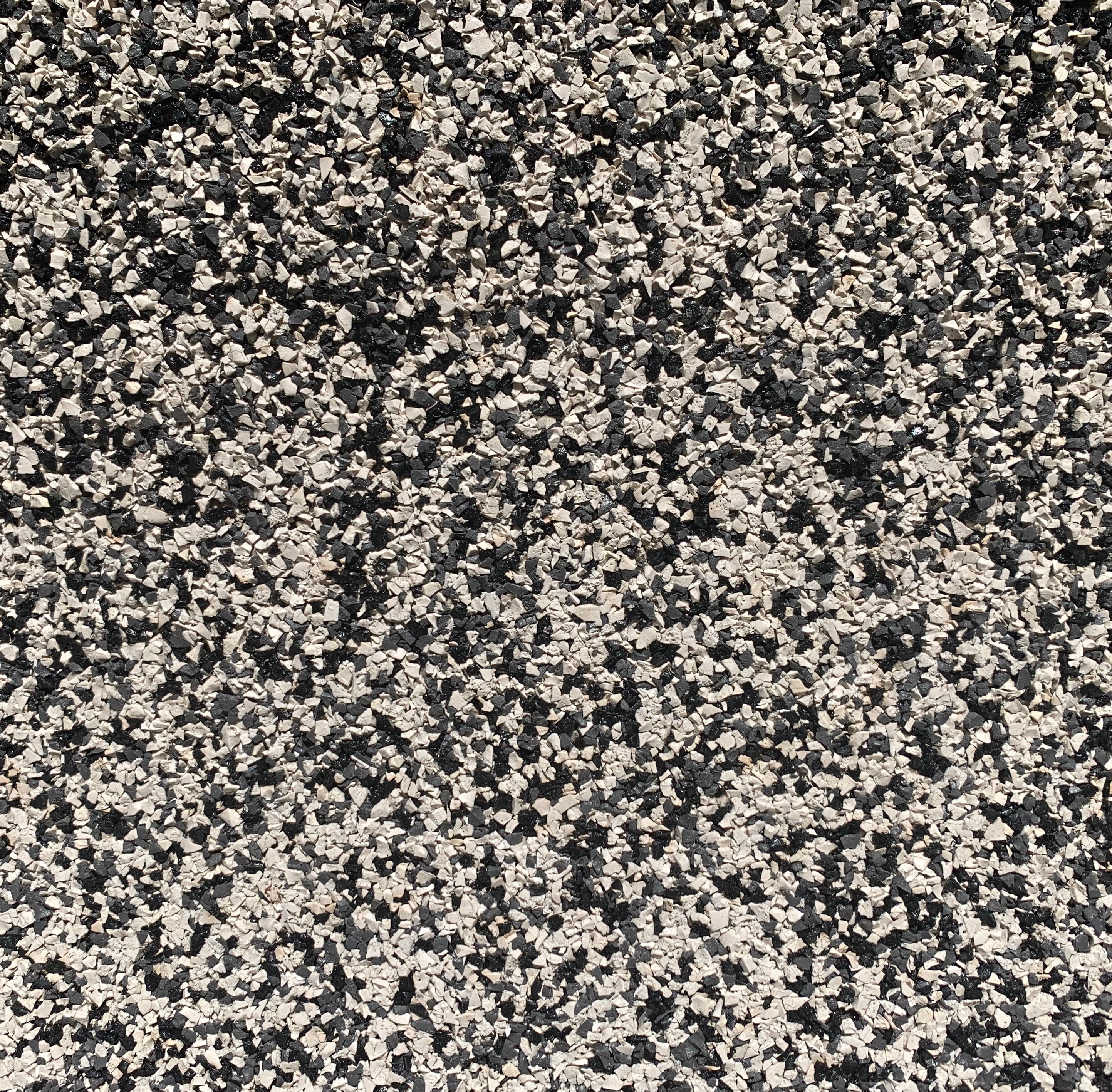
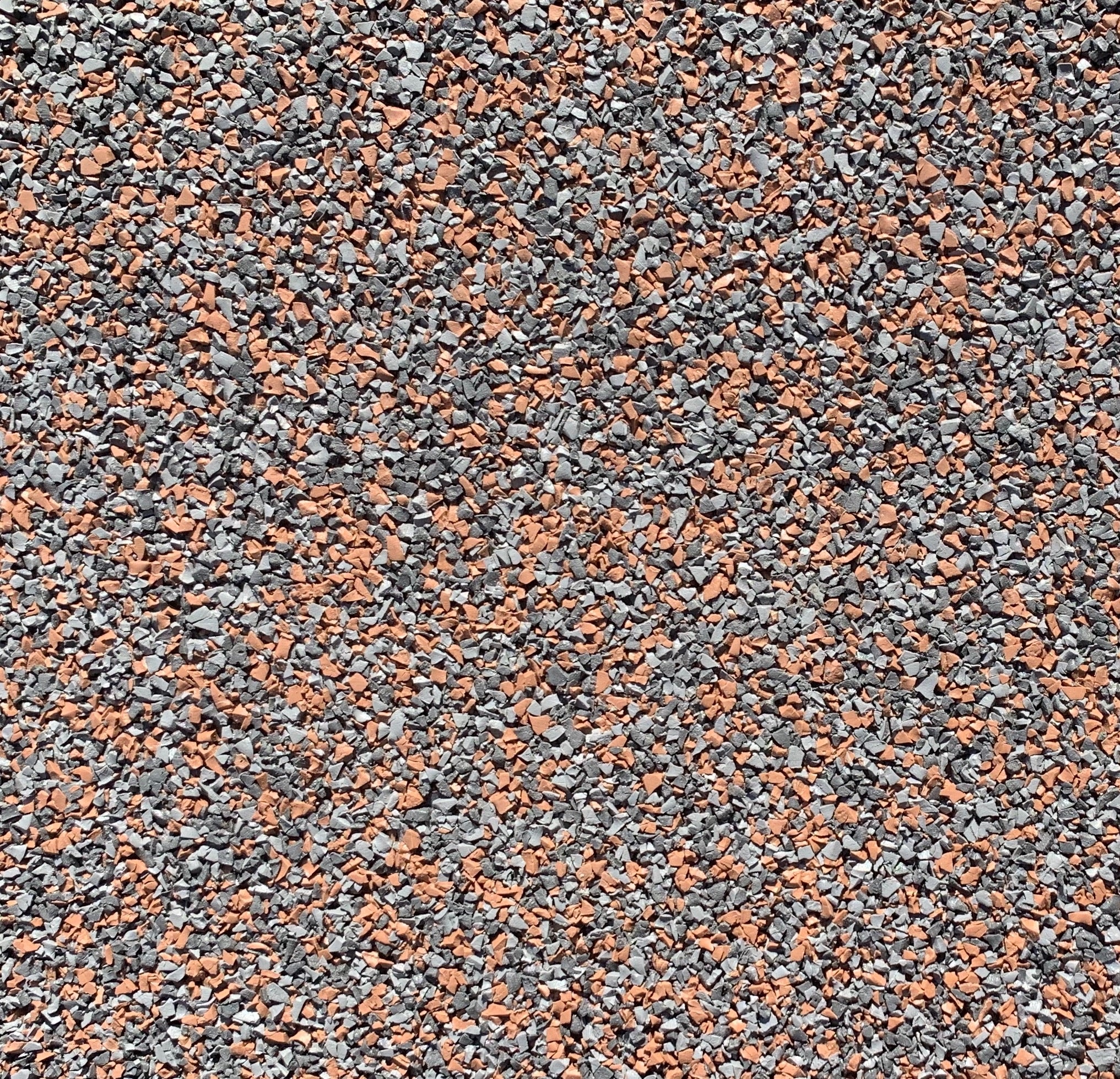
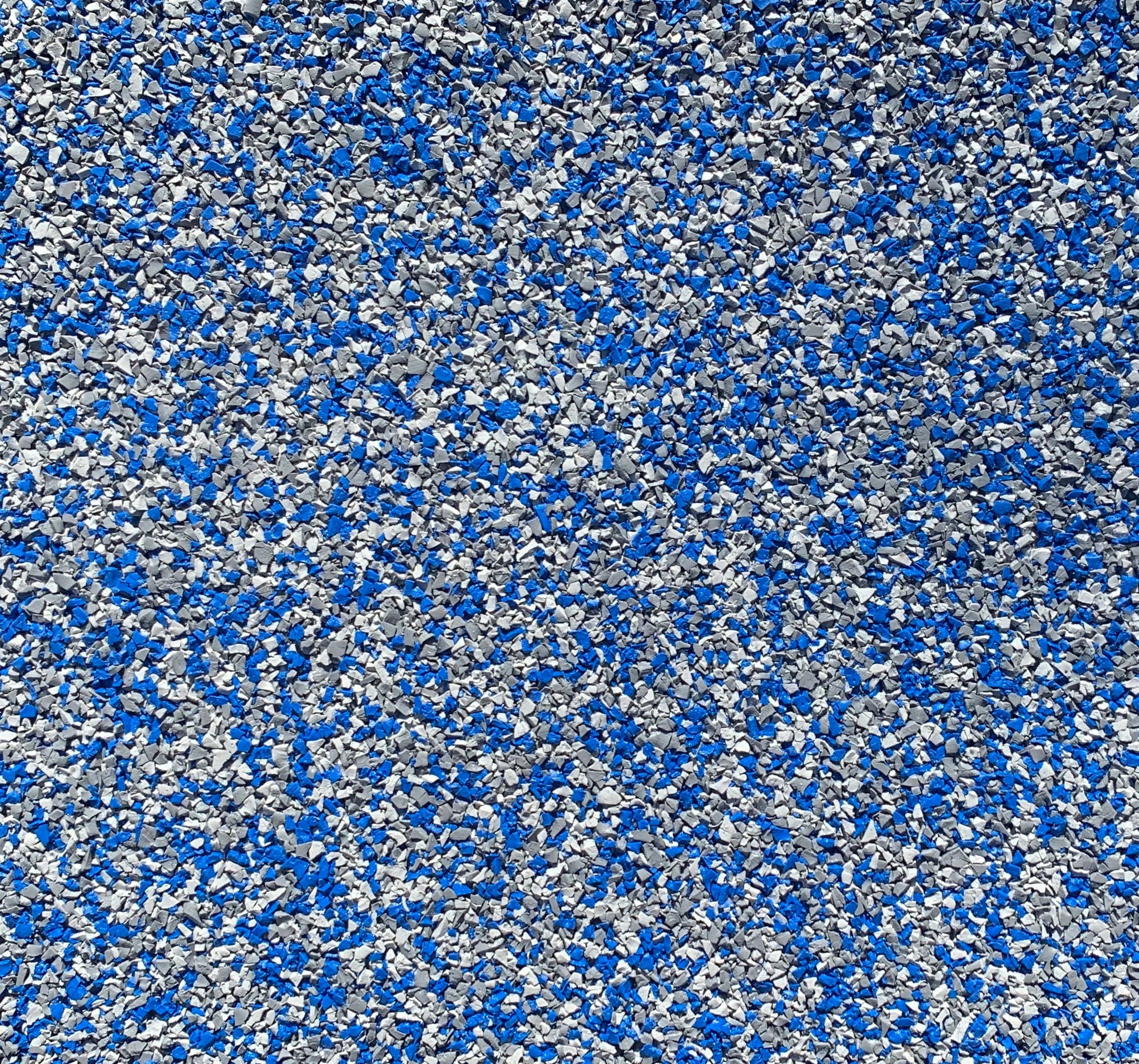
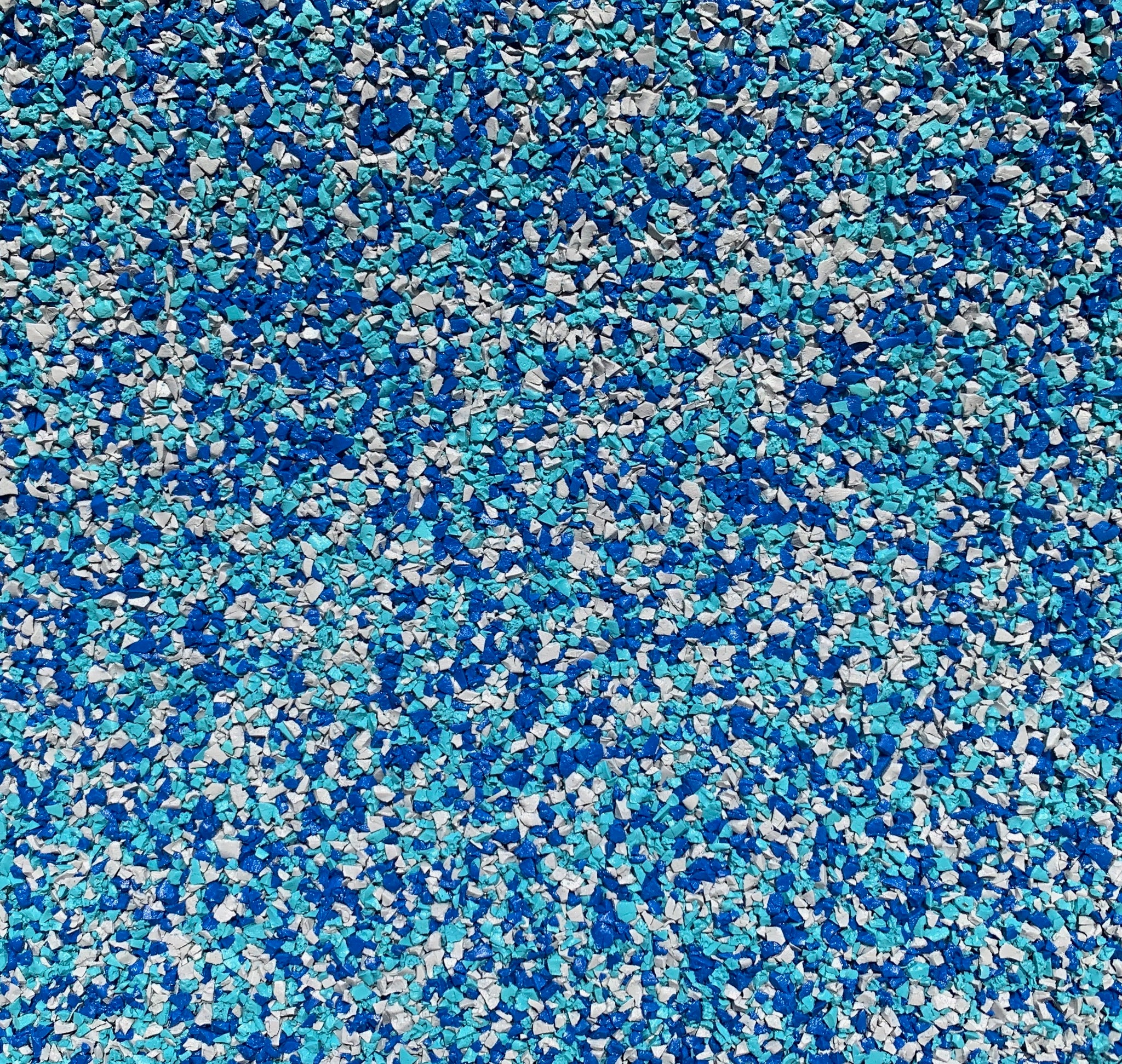
Color Blends & Design Options
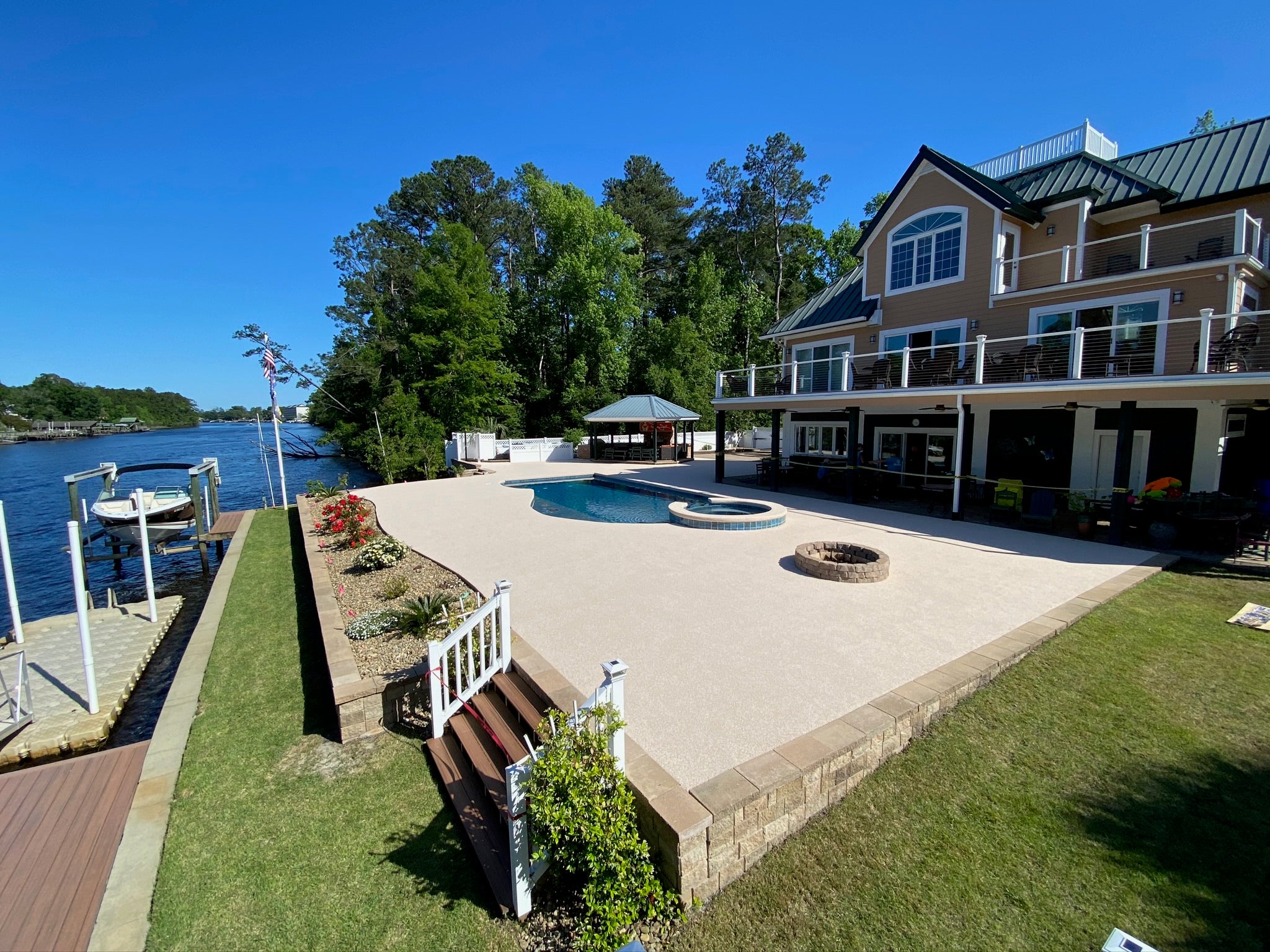
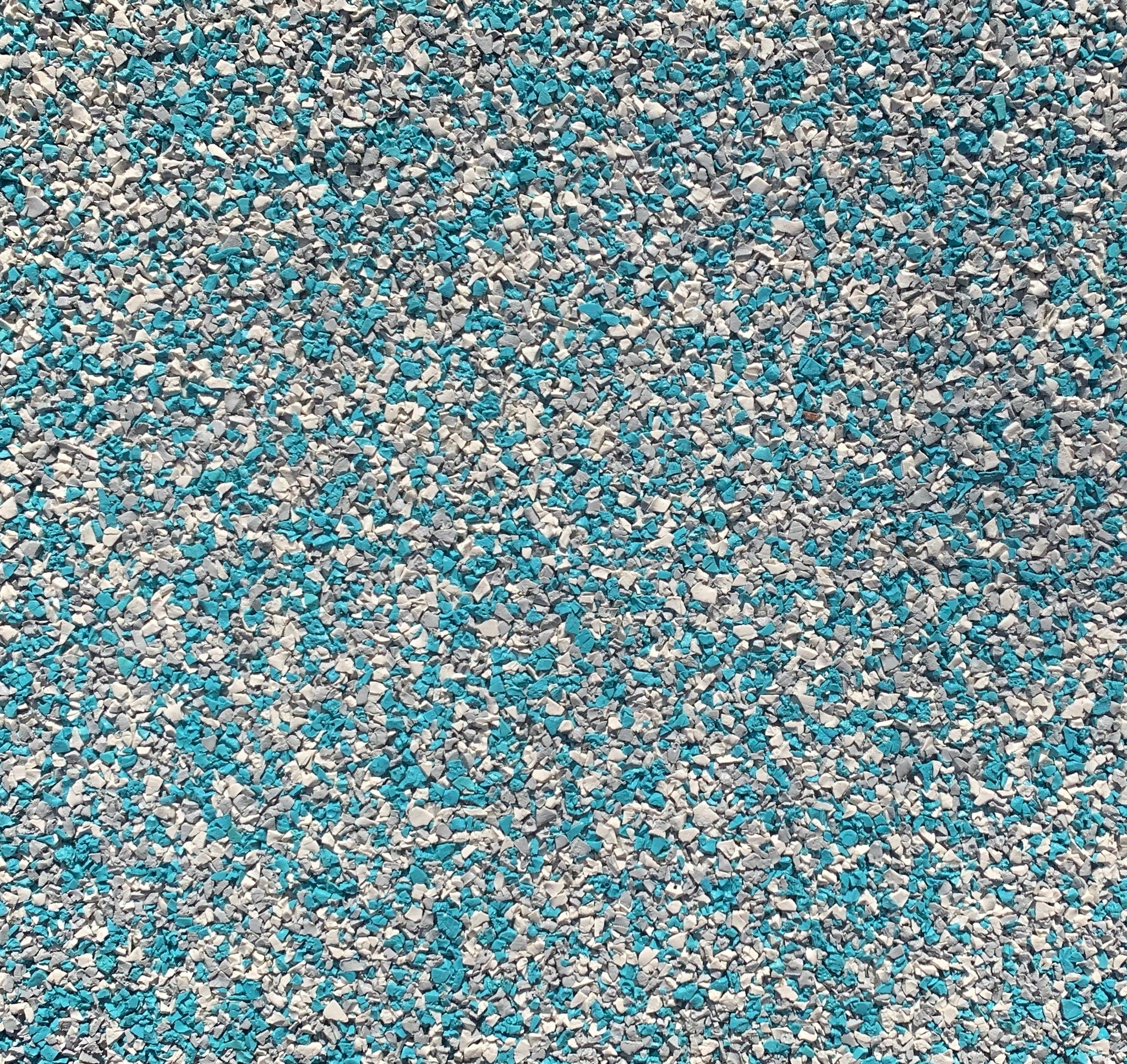
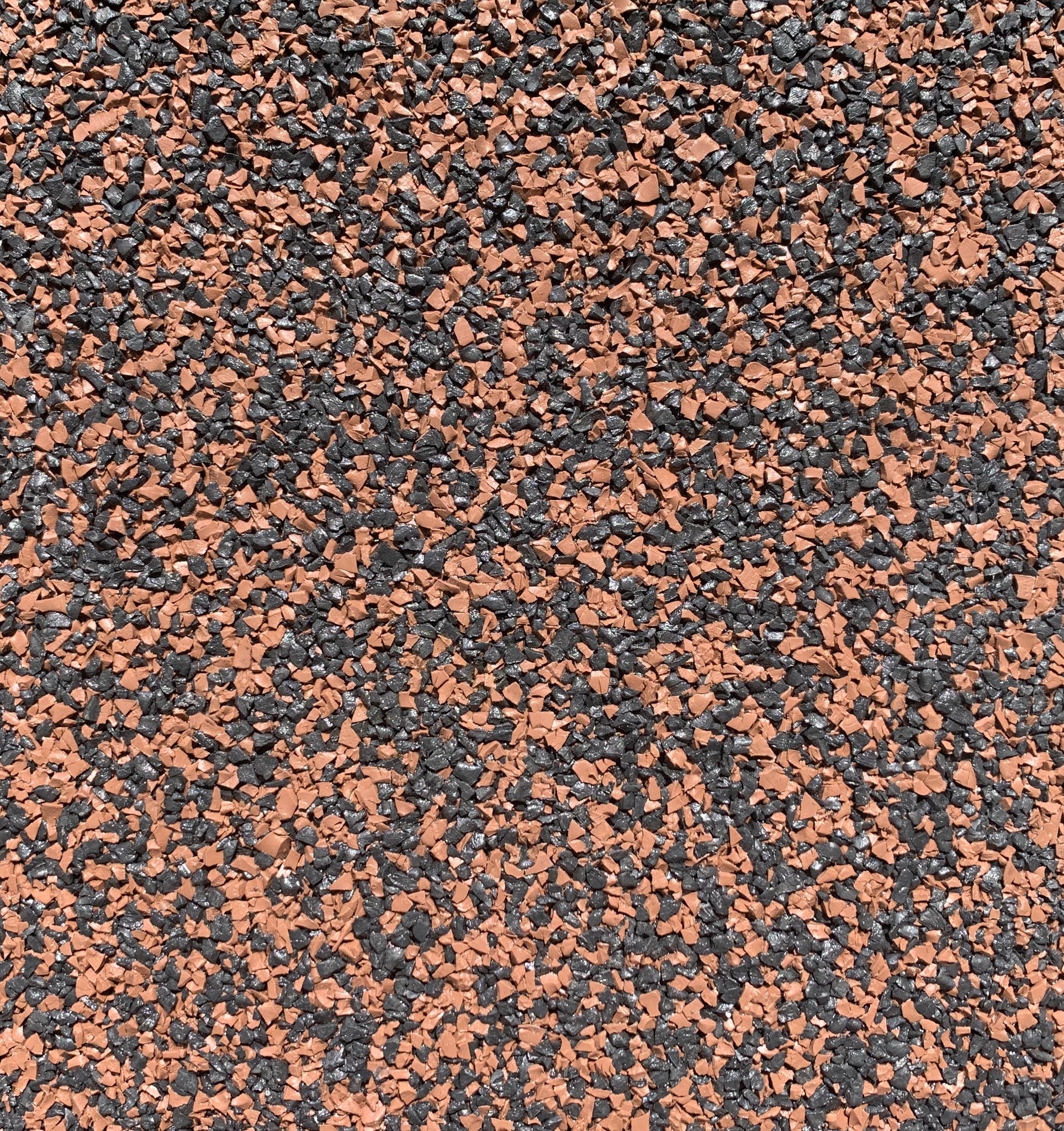
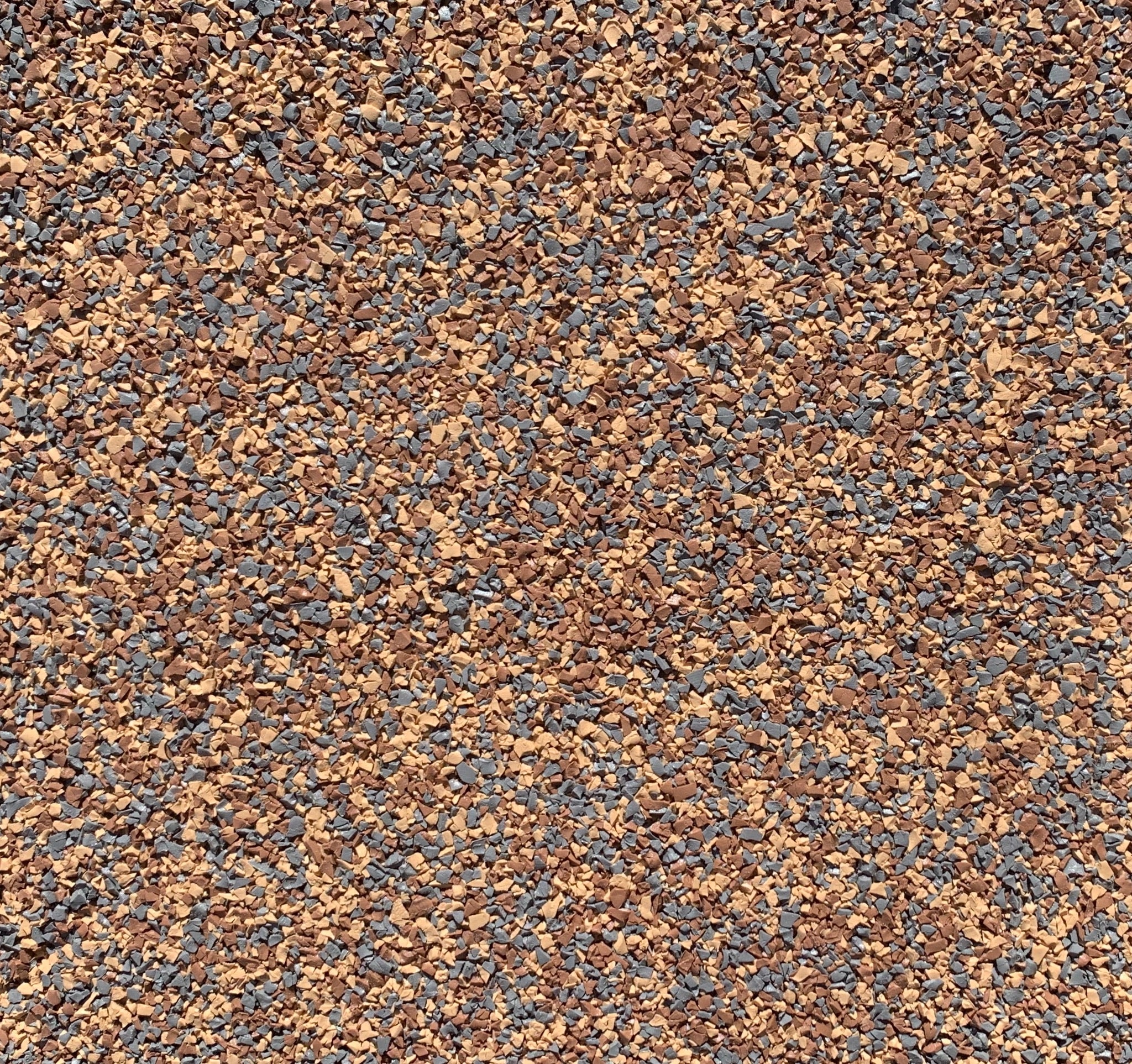
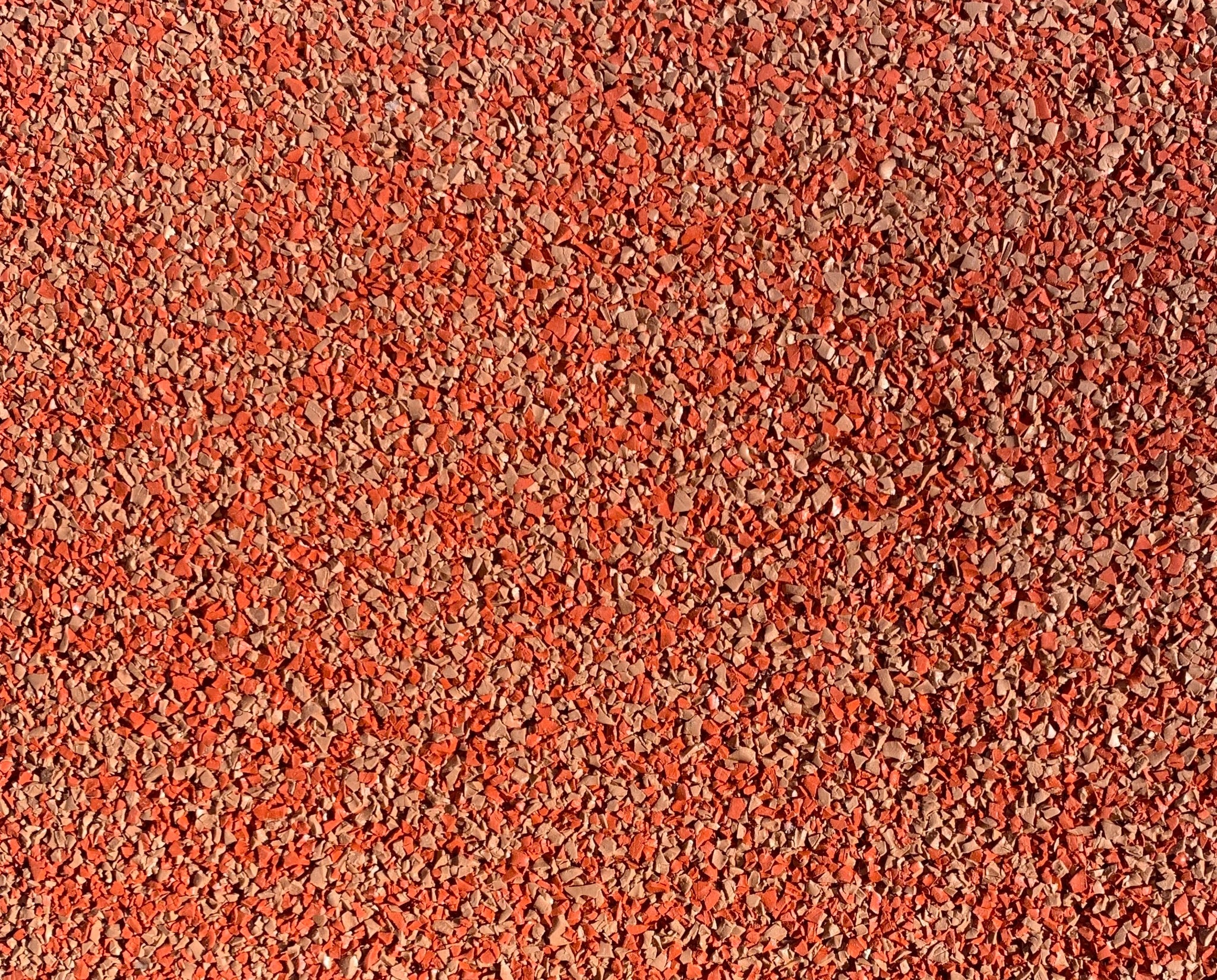
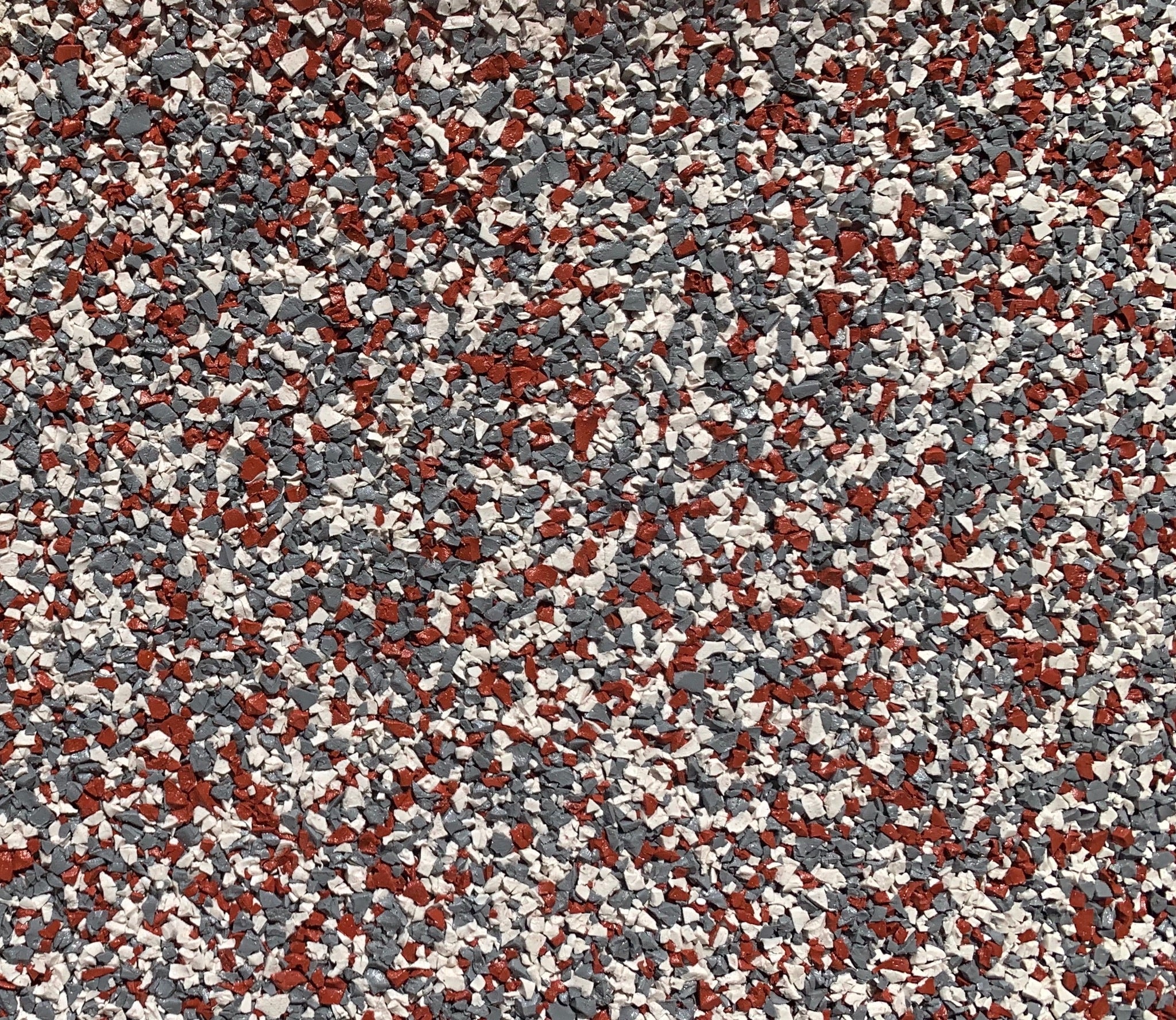
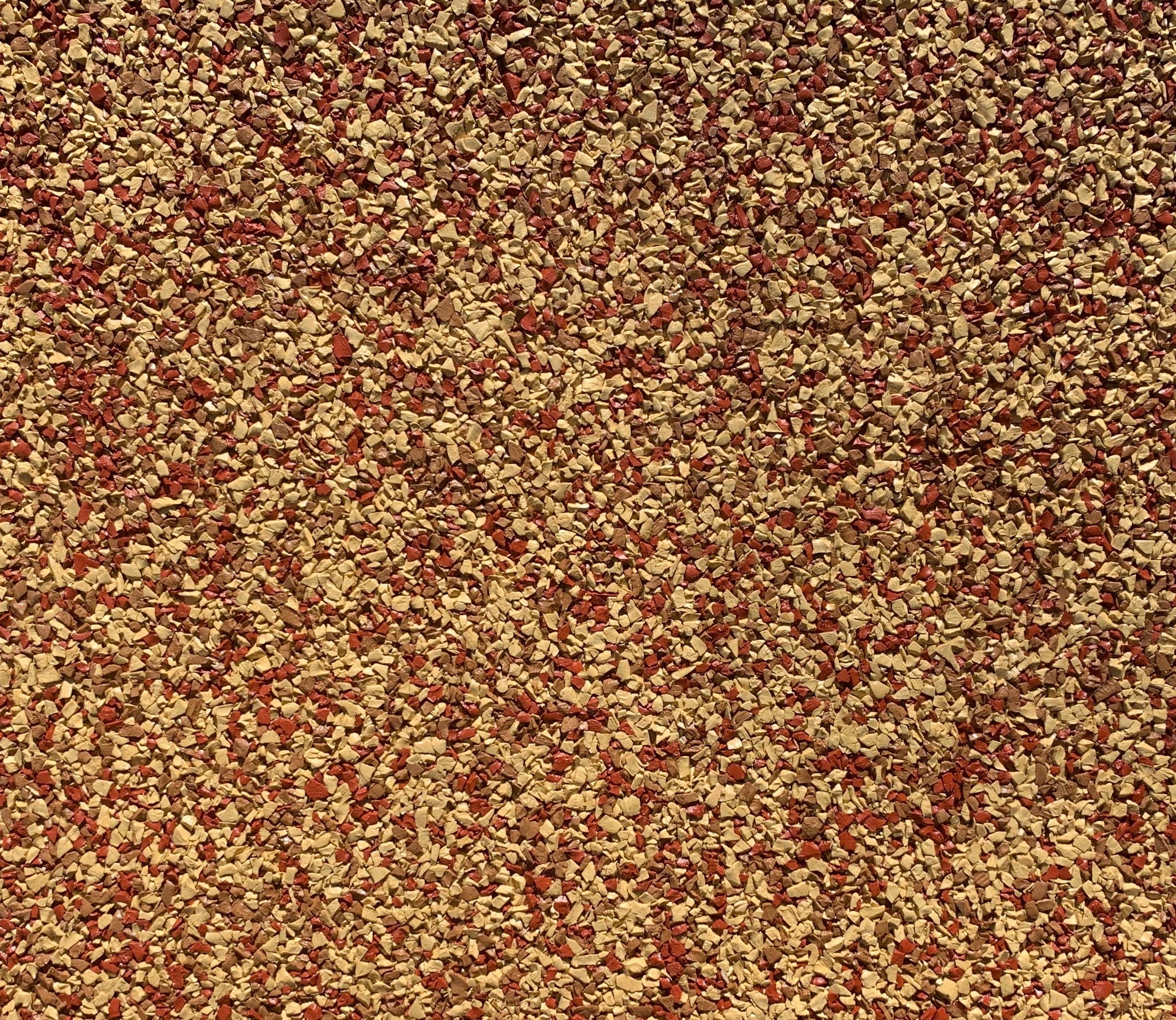
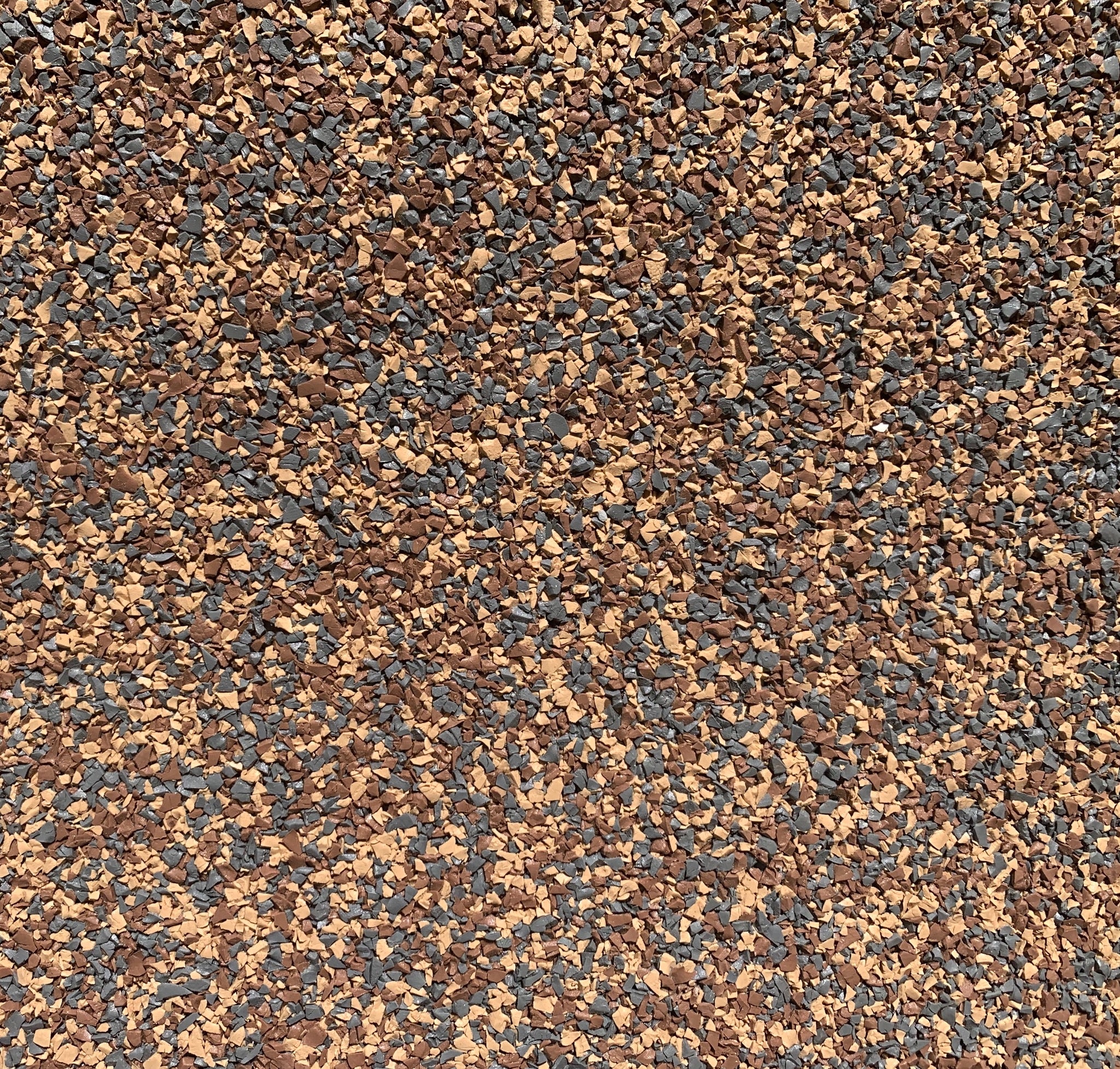
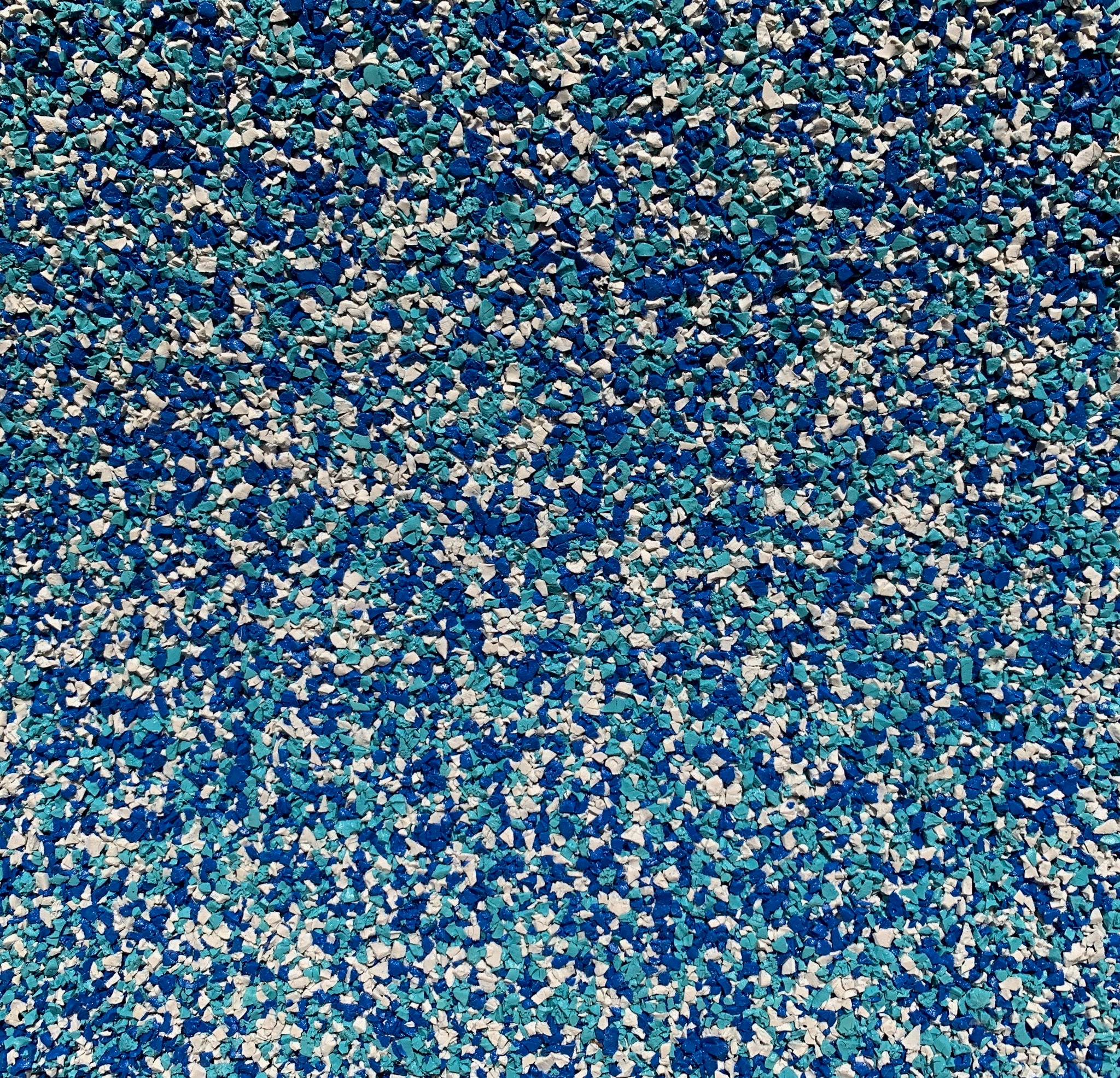
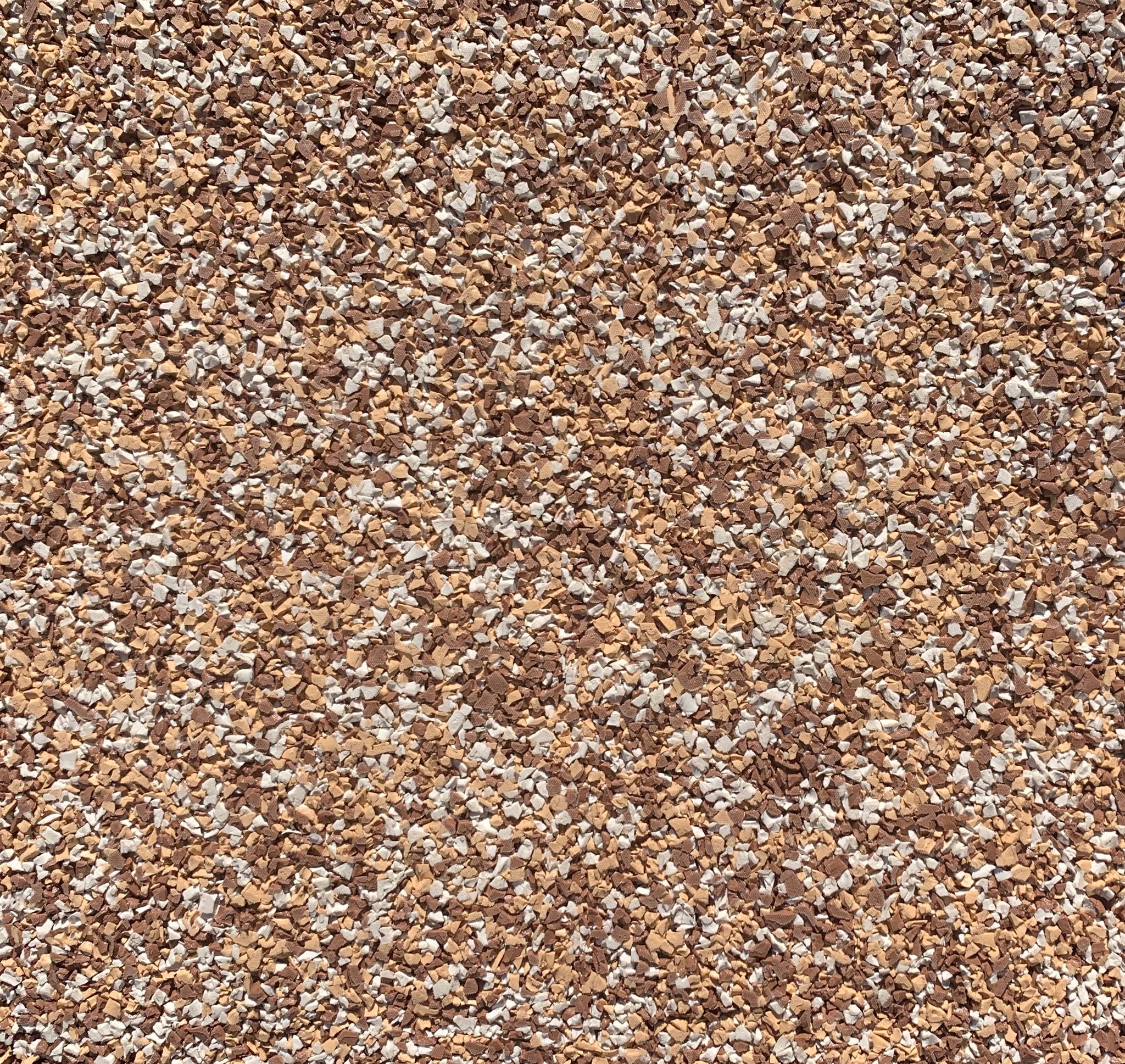
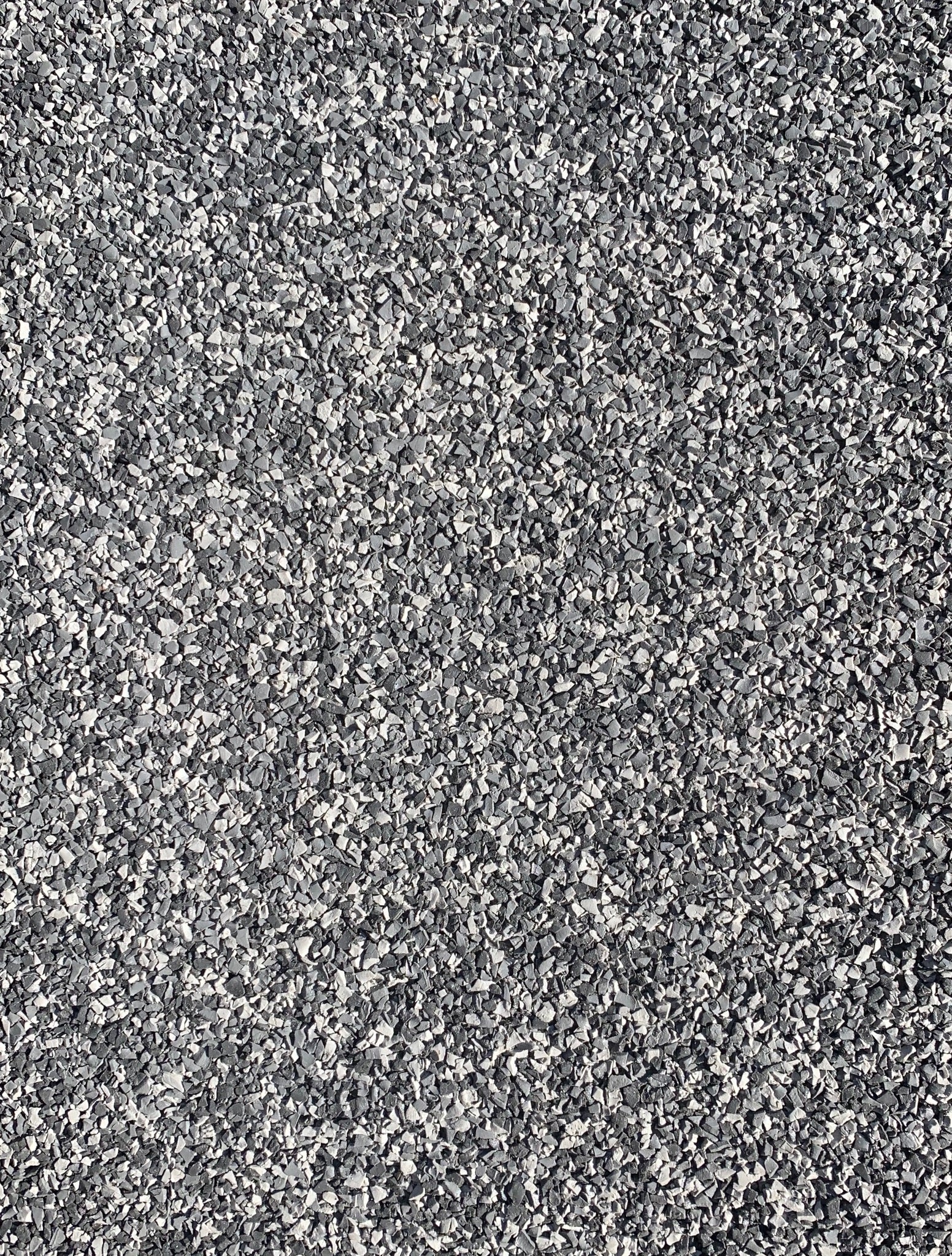
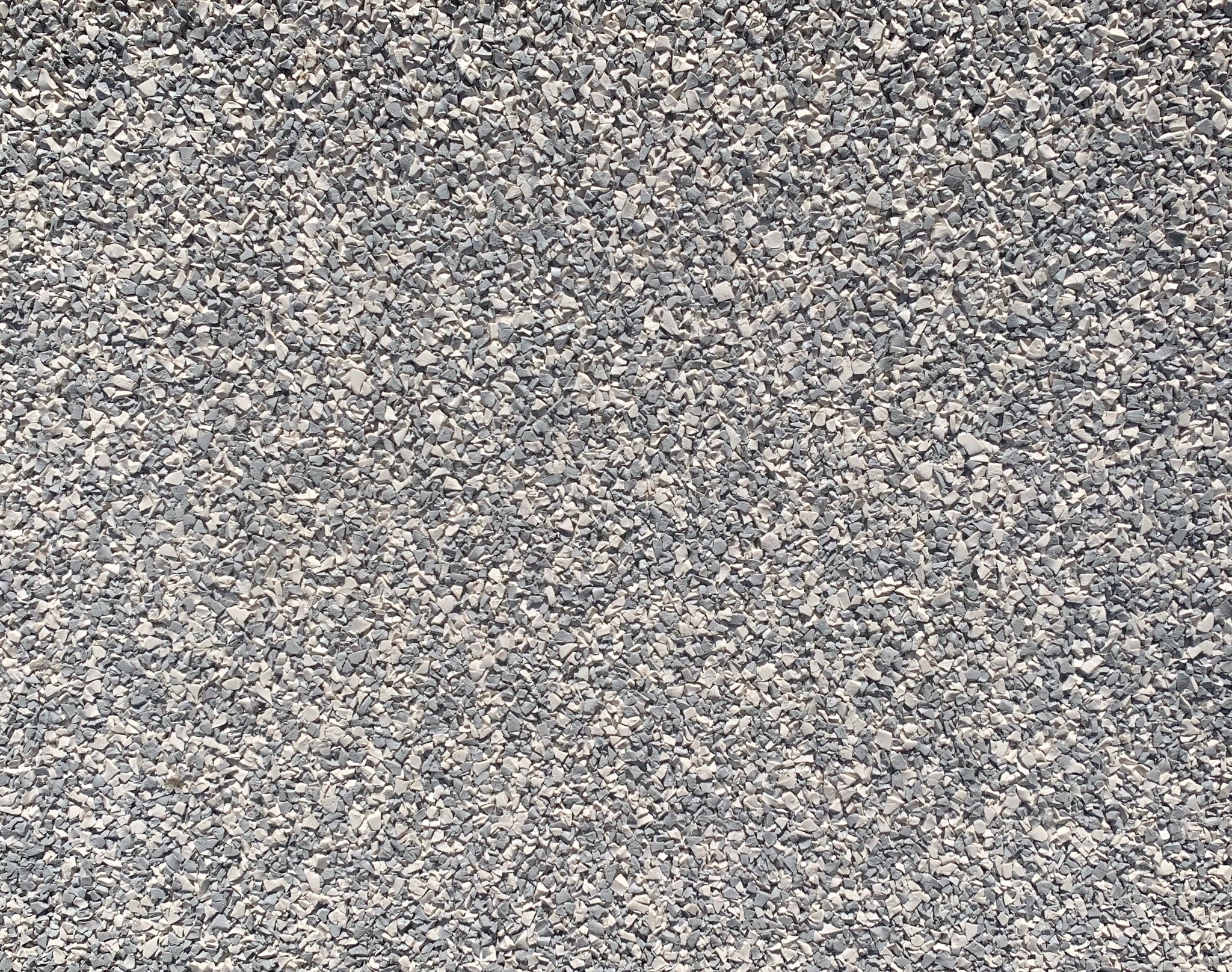
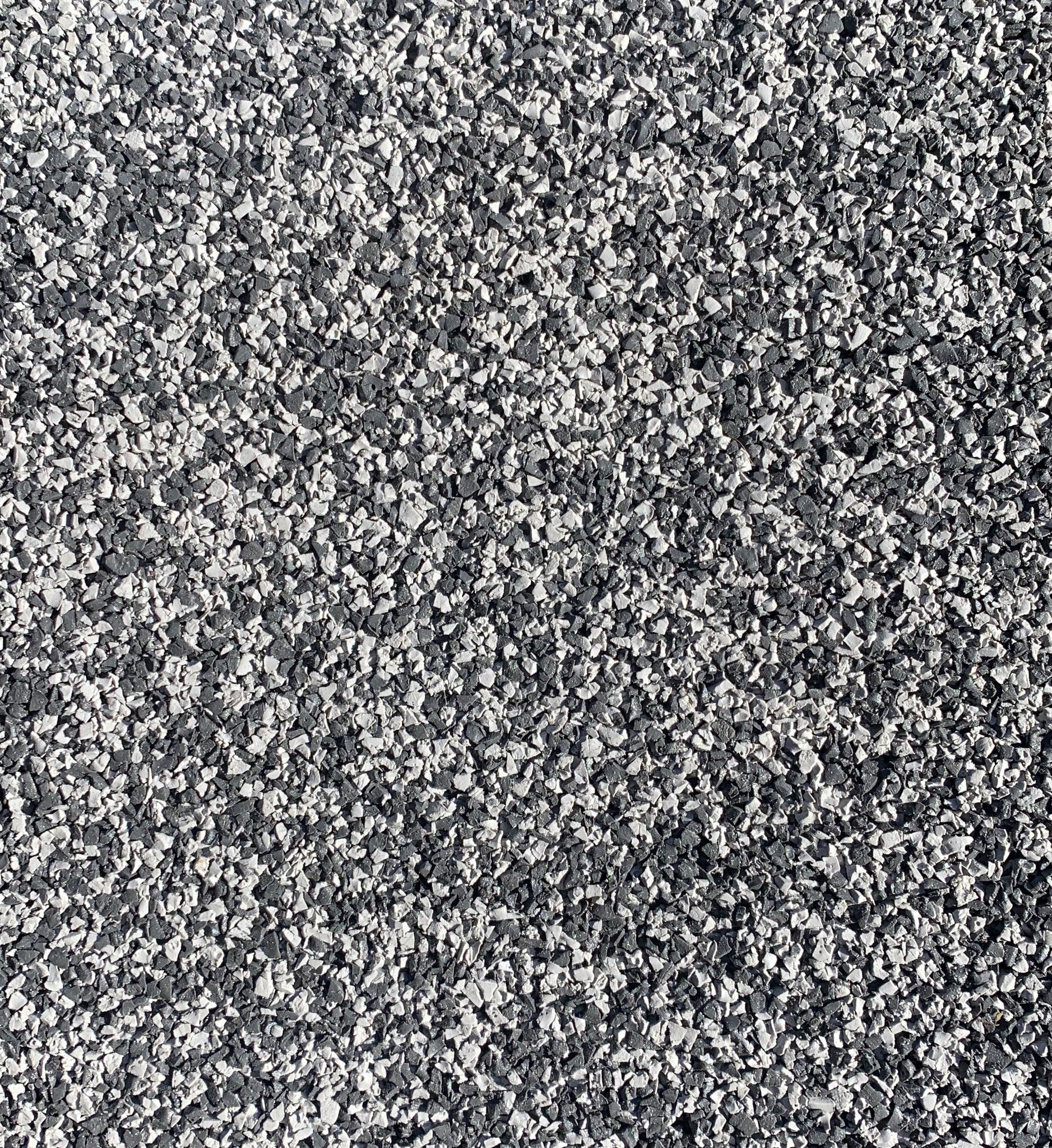
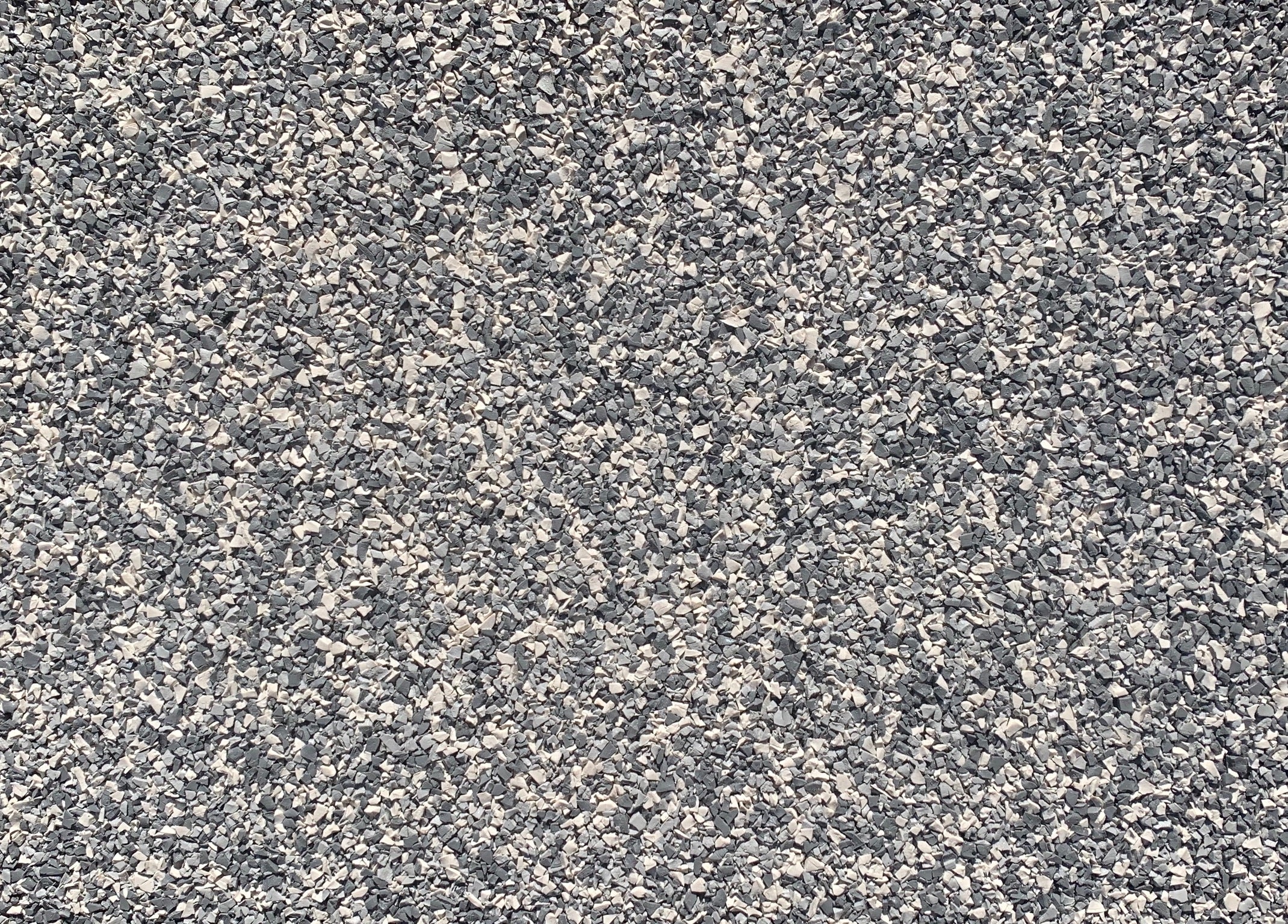
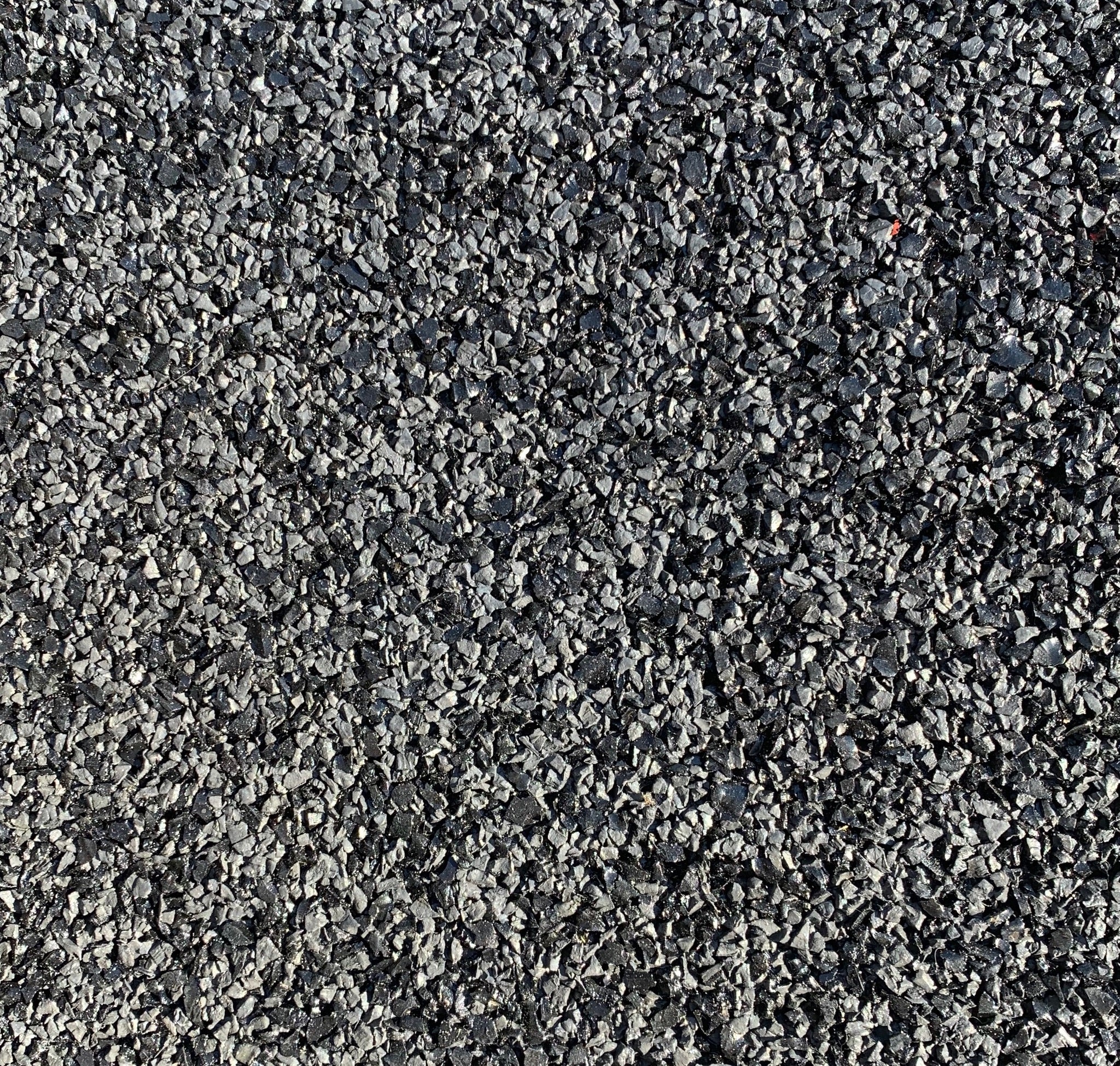
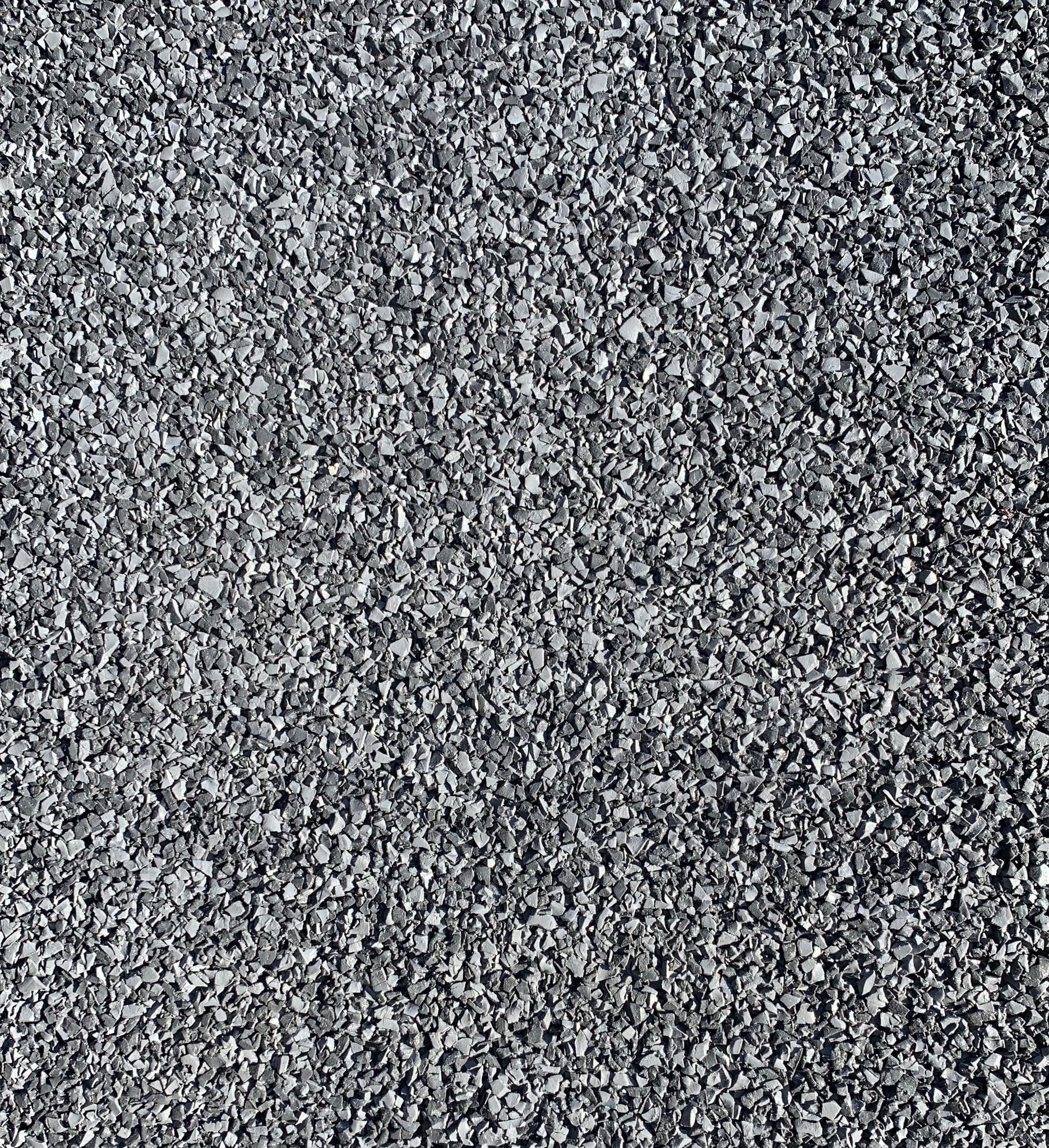
- Choose a single tone or a mixed “chip” blend for subtle texture.
- Add a contrasting border along the waterline, steps, or lounge edges for definition.
- Simple inlays (initials, compass point, lane mark) are available on request.
- We can bring samples to your home so you can see tones in your light.
Where it works best
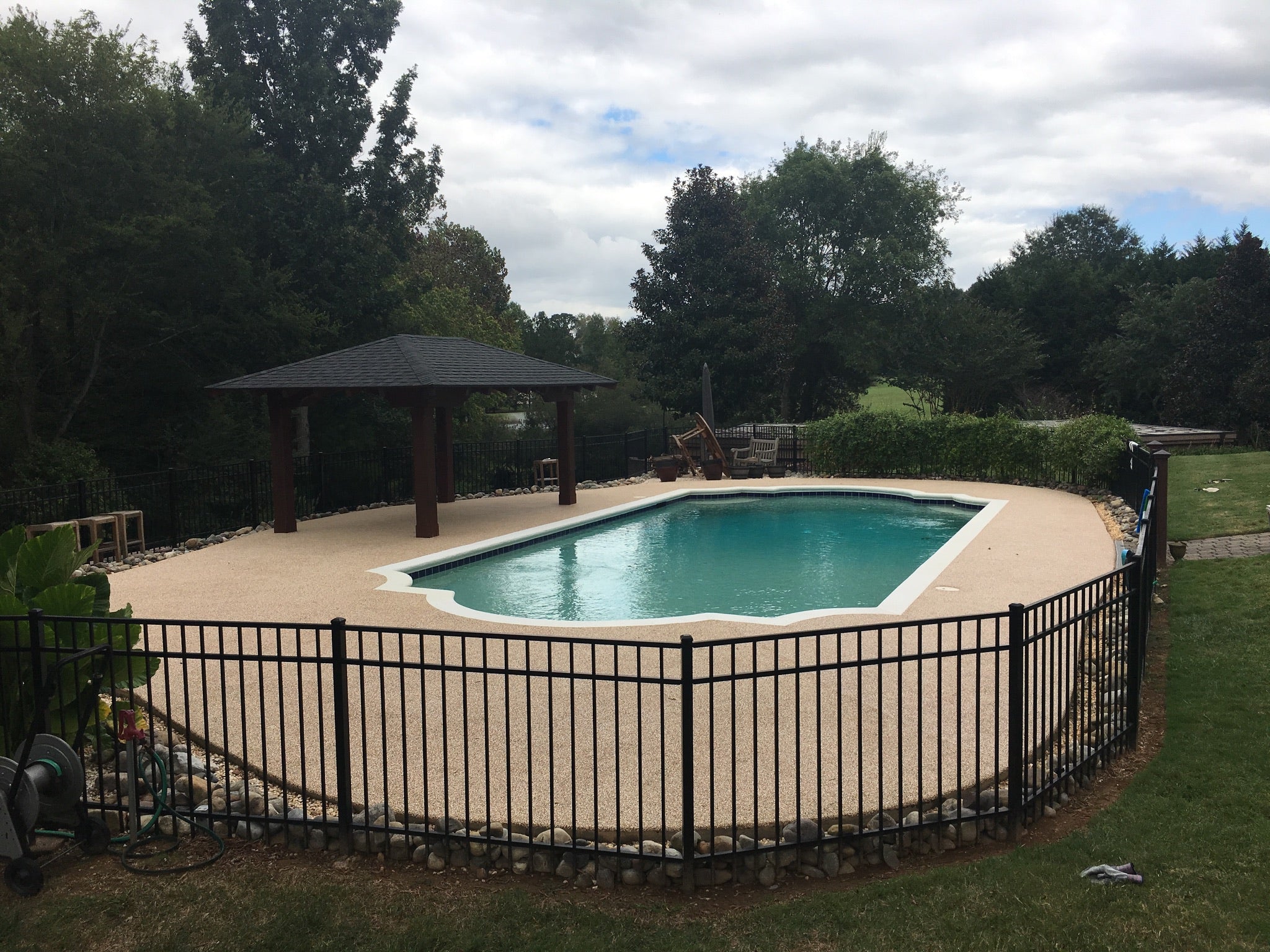
Pool decks
Installed as a seamless layer over sound concrete to cover hairline cracks and stains. The fine texture helps with footing when the deck is wet, and the surface feels gentler under bare feet. Typical residential projects wrap in 1–2 days, weather and size dependent.
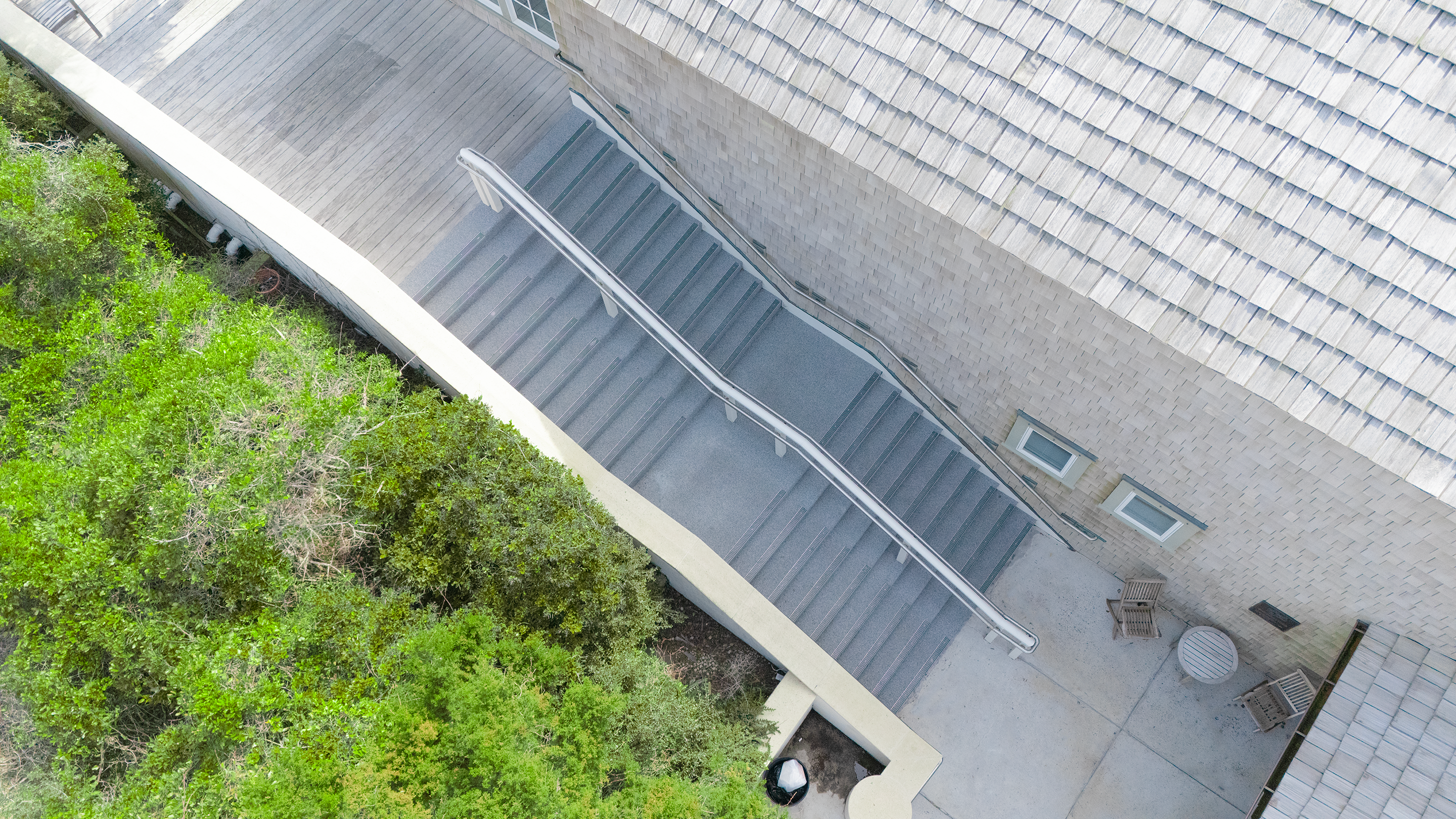
Steps and transitions
We finish step nosings, borders, and coping lines by hand for crisp, readable edges. The texture supports wet footing on stairs, and we detail around rails, drains, and skimmer lids so everything looks finished and works the way it should.
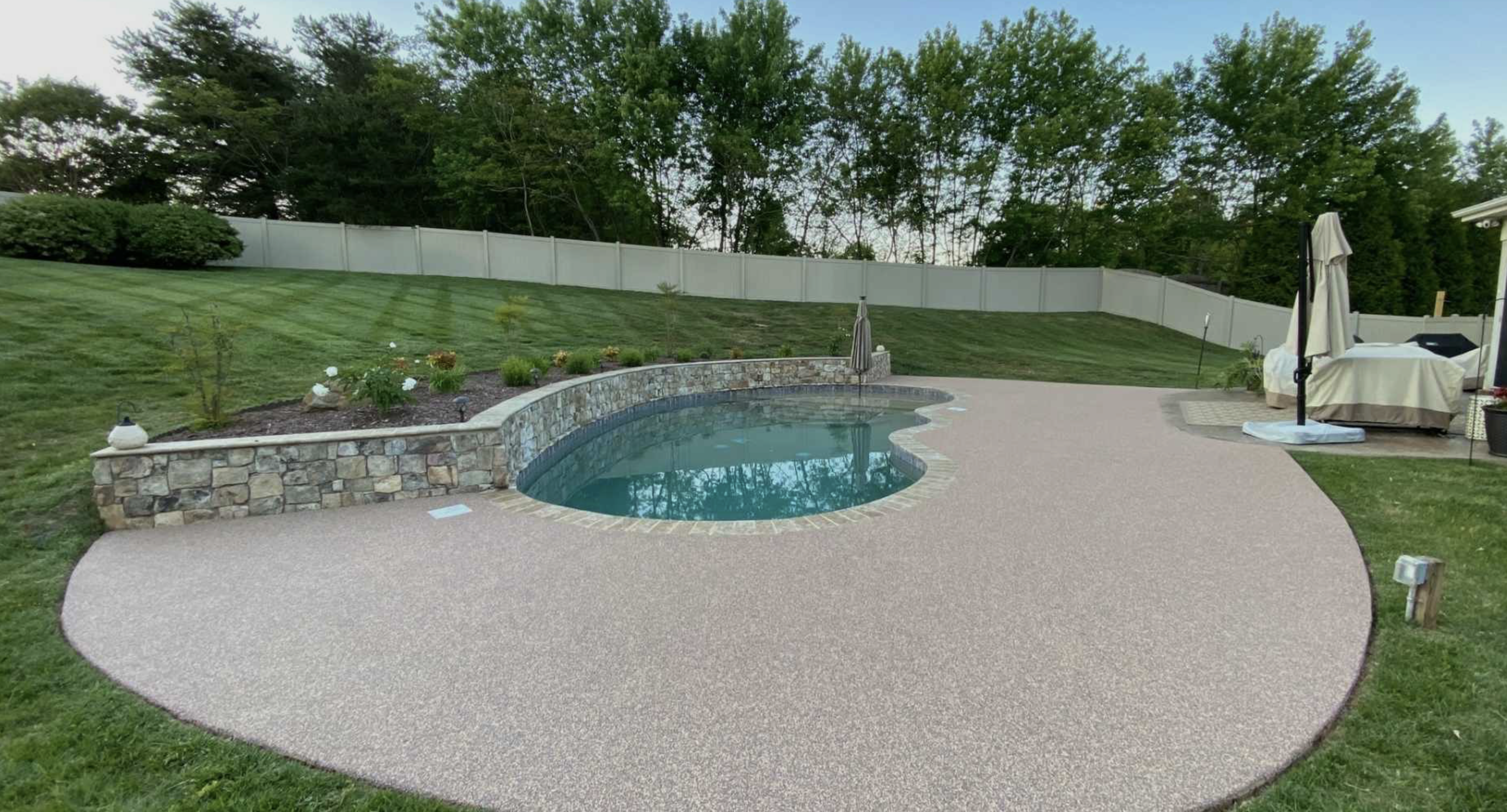
Lounge zones
Great for the stretch between pool, chairs, and porch. The seamless finish unifies patched or mismatched slabs and keeps small debris from catching. Rinses quickly after a swim day; add simple glides to sharp furniture feet for best results.
Totally transformed our decking around the pool! It’s soft to walk on and it’s cool to the feet. We walked on it in the heat of the day at 96 degrees outside. It will save a lot of scratched up toes and knees for the grandchildren.
— Barb Gwin