

Our Process
How we work — start to finish
Every project starts with a conversation and ends with a safer, better-looking surface you’re proud to open back up to family, guests, and the public.

1. Connect
- Tell us about your space (pool deck, patio/walkway, splash pad, playground, etc.), how it’s used, and what’s not working.
- We’ll suggest whether rubber resurfacing is a good fit for your substrate (it installs over concrete, wood, tile, brick, metal—even asphalt).
2. Site visit & assessment
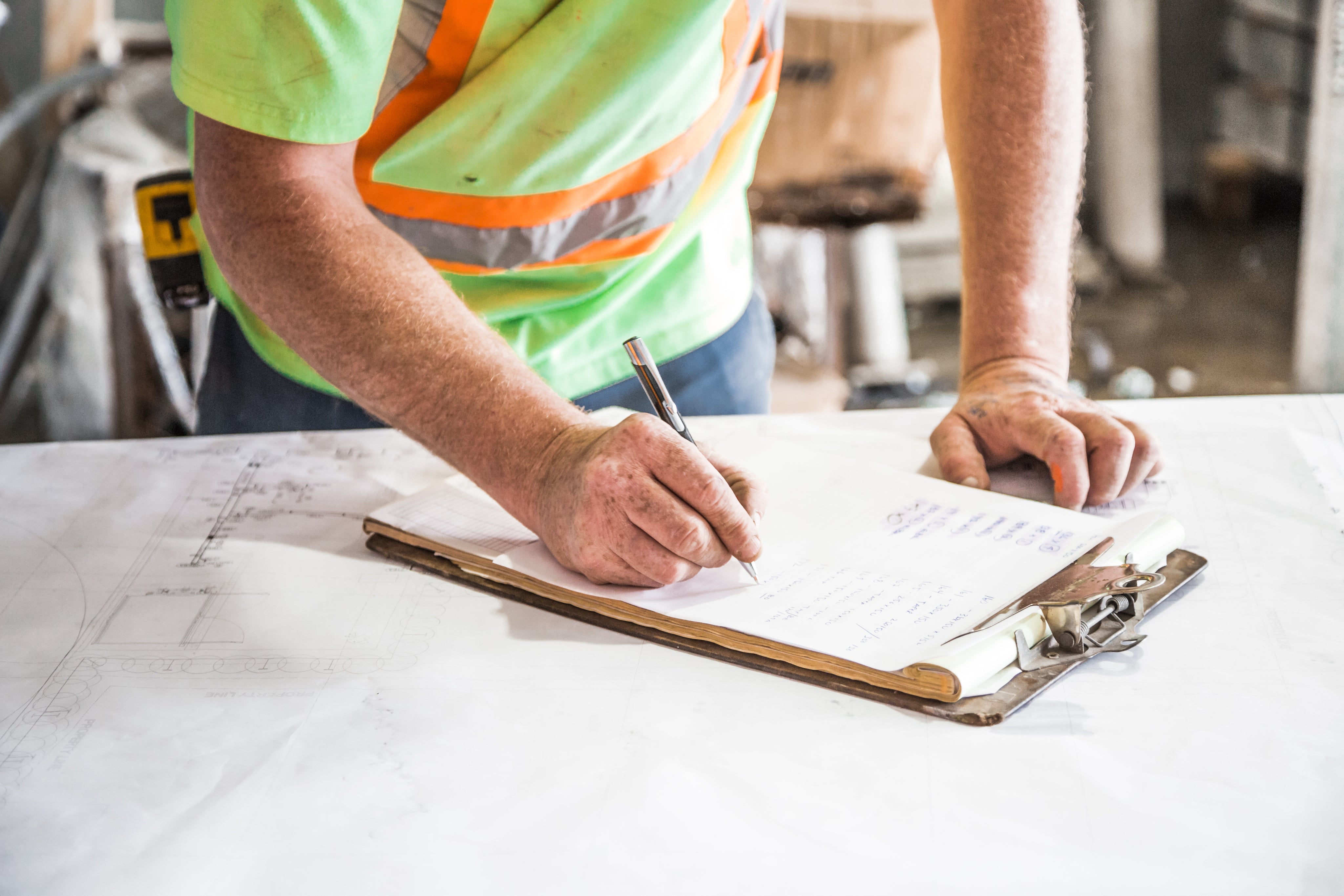
- We document the current surface: cracks, hollow spots, coatings/paint, movement joints, drainage, shade/sun, traffic patterns, and slip-risk areas.
- We measure square footage and note transitions (coping, drains, thresholds) so the finished system stays seamless and safe.
3. Design & color planning
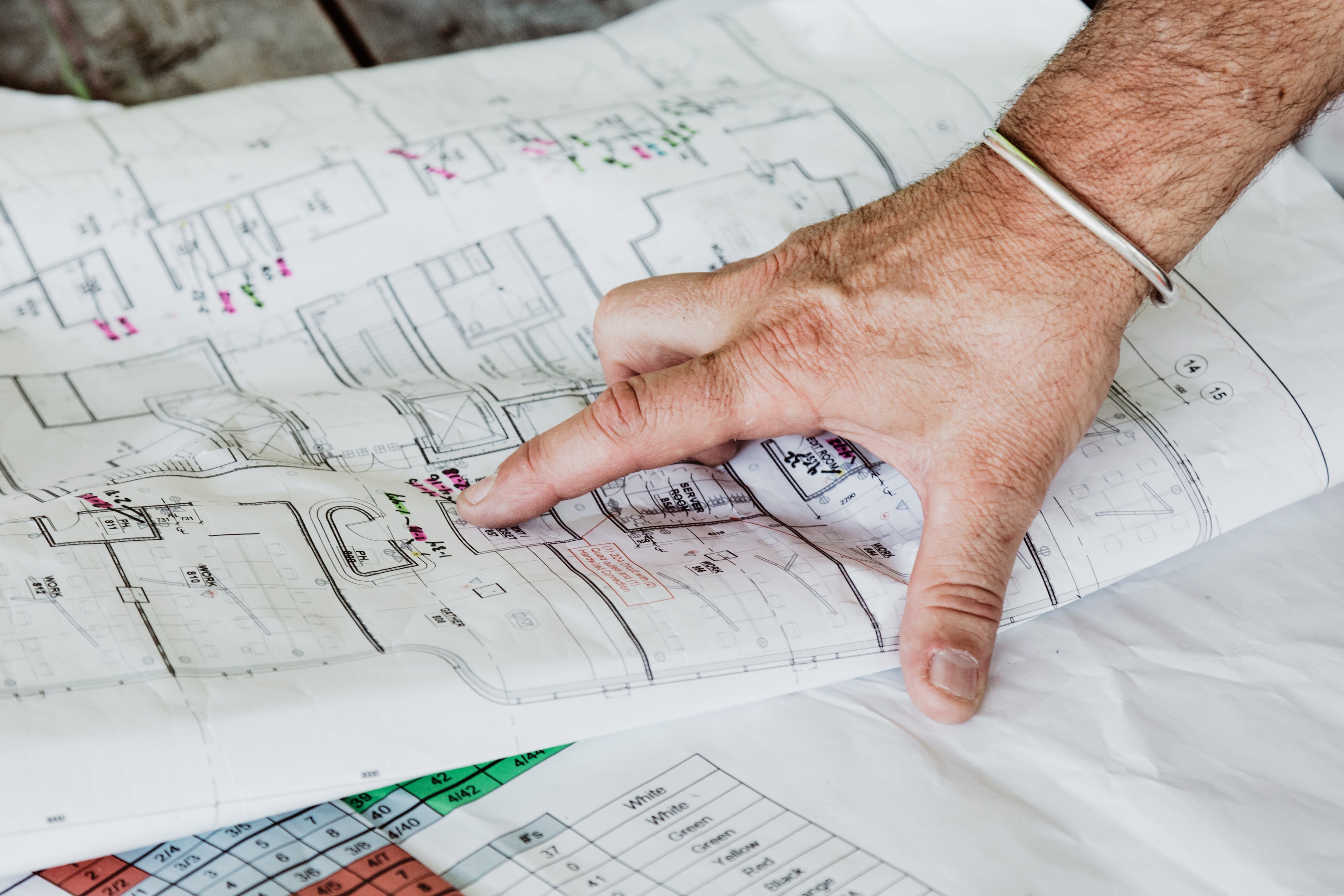
- Together we pick a color blend (or custom mix), discuss borders, patterns, or logos, and align on where edges start/stop.
- For commercial spaces, we’ll also ask about brand colors, zoning (walkways vs play/wet areas), and ADA considerations. (Carolina Surfacing regularly applies poured-in-place rubber in both residential and commercial settings.)

4. Scope, proposal, and schedule
- You’ll receive a clear scope (prep, thickness, color blend, edge details), what’s included, and the target install window.
- For larger/operational sites (HOAs, hotels, water parks, municipal spaces), we can phase work to keep areas open and coordinate off-hours access and COIs.
5. Pre-installation prep
- We clean and prepare the surface (repairs as needed), then allow it to dry completely—proper prep and priming are critical for long-term adhesion, especially around pools.
- We protect adjacent finishes and set reference lines so borders and drains finish clean.
6. Installation day(s)
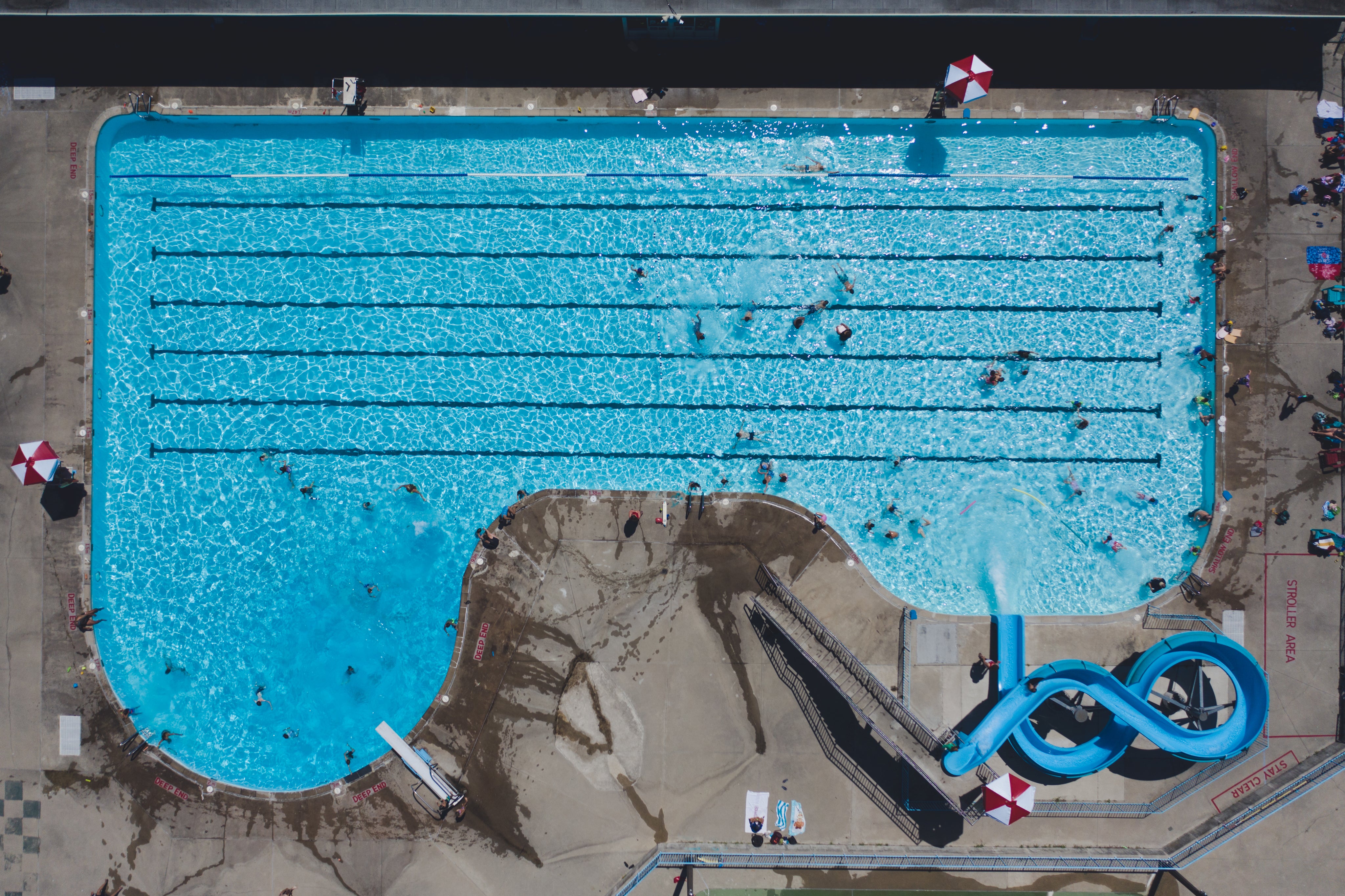
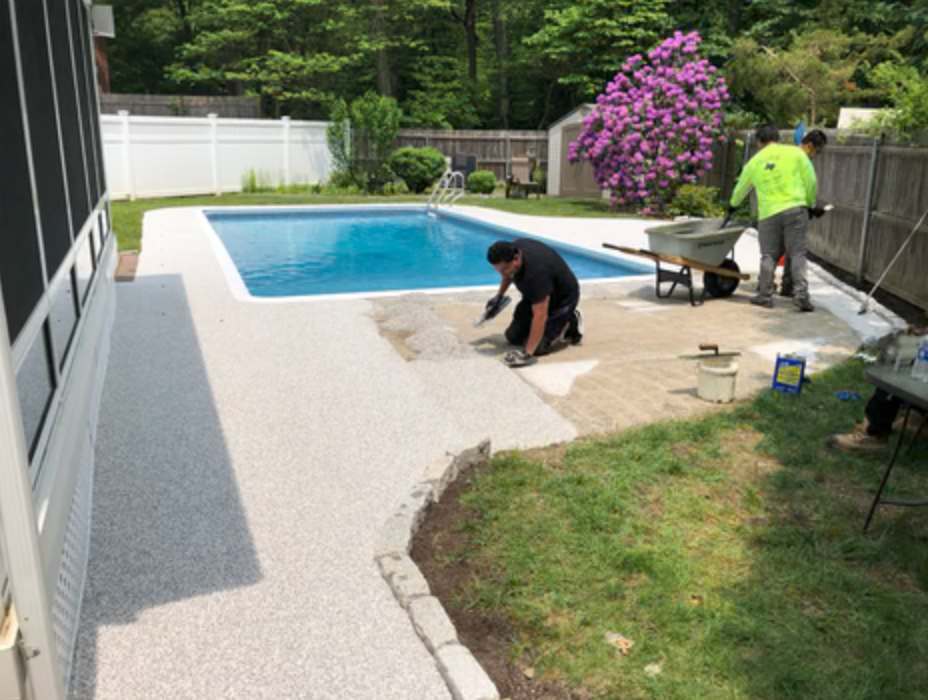
- Premium TPV rubber granules are combined with a binder and hand-troweled to create a seamless, cushioned surface tailored to your space.
- Edges and transitions are detailed for durability (industry best practices include keyed edges where appropriate to resist plow/scraper damage at vulnerable borders).
- We’ll advise on when you can walk the area and when to return furniture/water features after curing.
7. Quality check & walkthrough
- Routine care is simple: rinse as needed; many owners schedule a light/standard pressure wash about once a year depending on use and environment.
- We’ll leave you a quick-reference guide for cleaning, stain handling, winter tools, and furniture tips.
8. Warranty & ongoing support
- Carolina Surfacing rubber systems carry a 10-year warranty, with typical lifespans around 20 years when properly maintained.
What we need from you (so install day goes smoothly)
- Clear access for crew and materials; confirm gate codes, elevator/load-in, and staging space.
- Power & water available near the work area (for prep and cleanup).
- Weather flexibility: poured-in-place systems are weather-sensitive; we’ll confirm forecasts and adjust as needed for best results.
- Approvals (if applicable): HOA/board sign-offs, pool permits/closures, signage for residents/guests.
For commercial & public spaces
- Phased work & off-hours to minimize downtime around guests or residents.
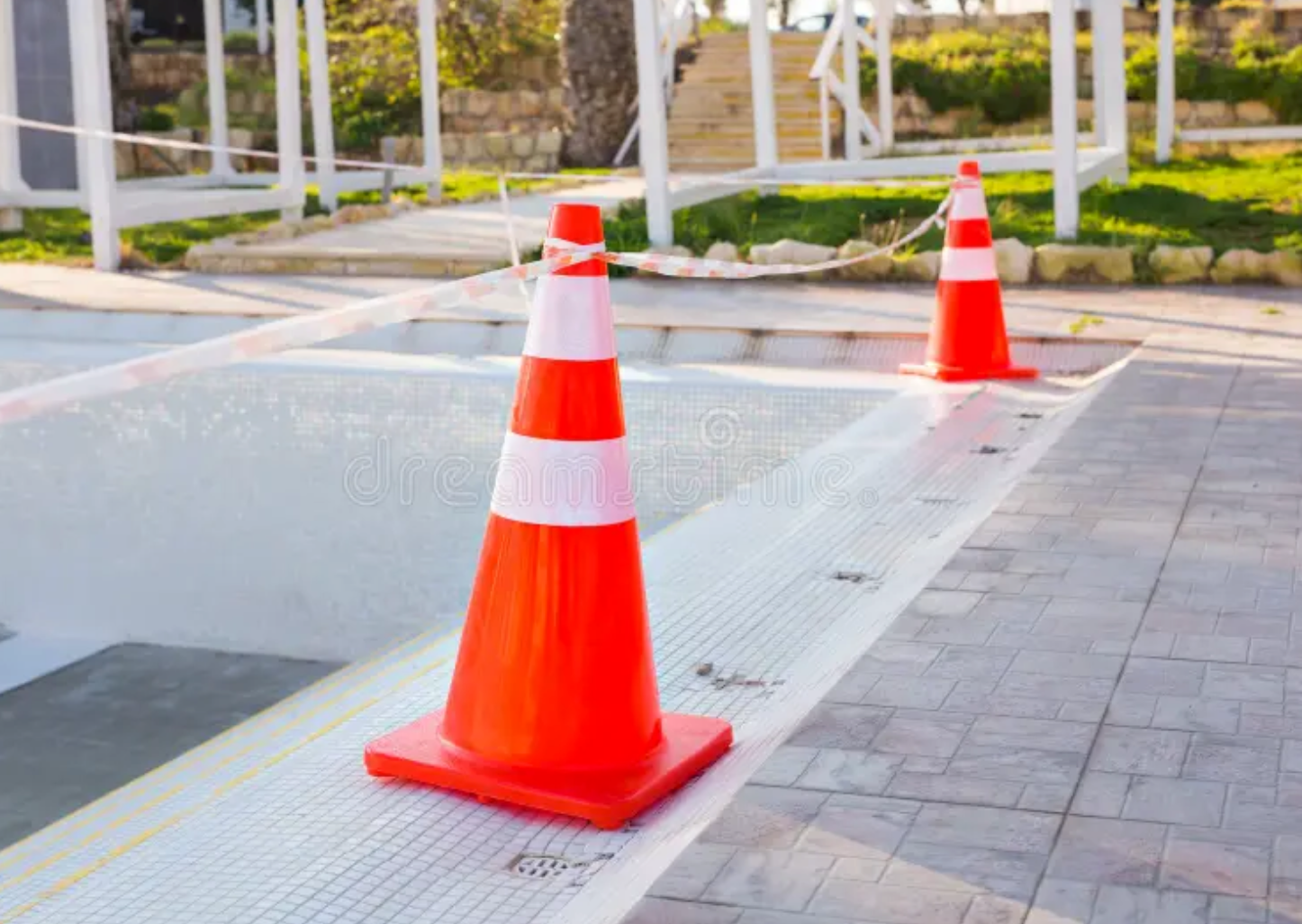
- Coordination with facilities & safety teams (cones, temporary barriers, signage, reopen timing).
- Procurement alignment: we’re comfortable working within formal purchasing processes and competitive bid requirements when needed.
Why this process matters
- Adhesion & longevity: Thorough prep and proper priming around wet areas are what make a poured system last.
- Comfort & safety: A hand-troweled rubber surface is slip-resistant when wet and comfortable under bare feet—ideal around pools and splash zones.
- Low-stress upkeep: Compared with many hard-surface coatings, ongoing maintenance is straightforward.